
Ice Maker Water Line Clogged? Here’s What May Be Happening
In this article
When your refrigerator stops making ice like it should, you may notice small or hollow ice cubes, cloudy ice, slower ice production, or even an empty ice bin while the freezer still feels cold. In many cases, these are early signs that water is not reaching the ice maker properly.
This guide explains the most common reasons that happens, including an ice maker water line clogged with mineral buildup, sediment, or ice. We’ll also cover the warning signs to look for and a few safe checks homeowners can try before calling for help. If the problem involves internal refrigerator parts, electrical components, water pressure testing, or moving the appliance, it’s safest to schedule professional refrigerator repair service.
Ice Maker Water Line Clogged: Common Signs, Causes, and Next Steps
If your ice maker is not filling with water, a clogged water line is one possible cause. Over time, minerals, debris, or ice buildup can block the line and reduce or stop water flow.
This issue can look a lot like other problems in your fridge’s water system. A bad water valve or another failing part can cause the same symptoms. Knowing the difference can make it easier to describe what’s going on when you call for service.
Small, Hollow, or Misshapen Ice Cubes
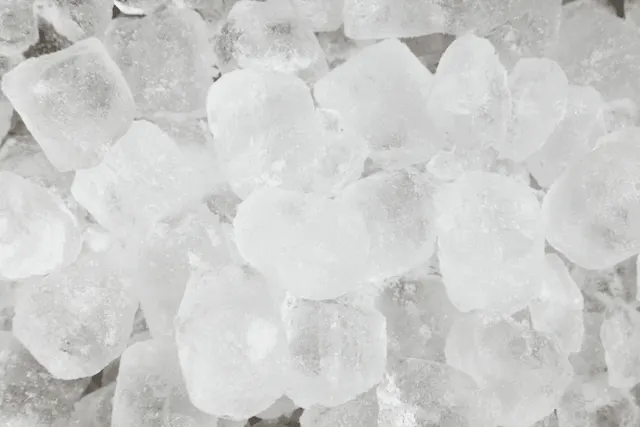
Small or hollow cubes usually mean low water flow. The ice maker needs a set amount of water each cycle. When it gets less, cubes come out thin, small, or uneven. This can happen with a restricted line, a clogged filter, or low water pressure.
Ice maker water line clogs often start with weaker ice before production stops completely.
Watch for these signs:
- Ice cubes are smaller than usual.
- Cubes look hollow or break easily.
- The ice bin fills slowly.
- The water dispenser flow is weak.
If both the dispenser and ice maker are affected, the issue may be in the shared water supply. If only the ice maker is affected, the problem may be closer to the ice maker or fill tube. A technician can locate the restriction safely.
A Clogged or Overdue Water Filter
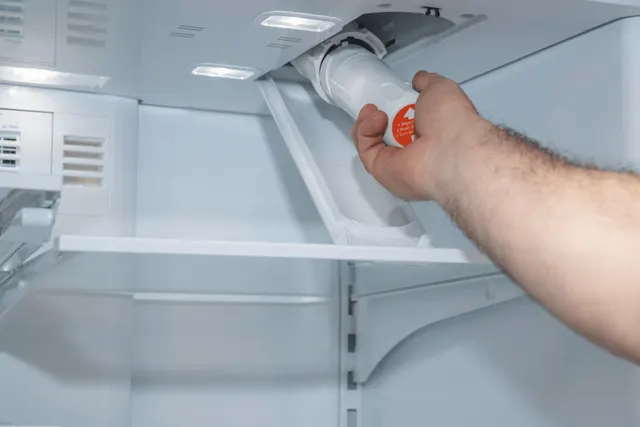
Check the water filter before assuming the line is blocked. Filters remove debris and improve taste, but they can clog over time and restrict flow.
Safe checks include:
- Check if the filter indicator light is on.
- Follow the replacement schedule in your manual.
- Confirm the correct filter is installed.
- Make sure the filter is fully seated.
If replacing the filter does not help, an ice maker water line clog may still be the cause. Filter problems and line clogs can look the same. If the issue comes back quickly, another restriction or part failure may be involved.
Mineral Buildup in the Water Supply Path
Hard water can leave mineral deposits inside the refrigerator’s water system and contribute to ice maker water line clogging problems. Over time, these deposits can build up in narrow passages and slow the flow of water to the ice maker. When an ice maker water line becomes clogged by minerals, you may first notice smaller ice batches, longer wait times, or cloudy ice.
Common signs of mineral buildup:
- Ice production slows down over time.
- Cubes become smaller or inconsistent.
- Ice looks cloudy or has a white appearance.
- Longer gaps between ice-making cycles.
- Recurring flow issues even after replacing the filter.
If your ice looks cloudy, see this guide on why ice becomes cloudy for common causes. Mineral buildup is often hidden inside the system. Avoid taking parts apart. A technician can inspect the line and confirm the cause.
Frozen Fill Tube or Water Path Restriction
Water may reach the fridge but not enter the ice maker if the fill area is blocked. The fill tube directs water into the mold. If it freezes or clogs, the ice maker cannot fill properly. This can look like a clogged water line, so proper diagnosis is important.
Signs of a fill issue:
- The ice maker runs but makes little or no ice.
- Ice production stops suddenly.
- Only a few cubes form at a time.
- Water freezes or collects in the wrong place.
Do not force or chip ice from this area. Parts can break easily. A technician should handle this repair.
Low Water Pressure to the Refrigerator
Low water pressure can prevent proper filling. The valve may not supply enough water, leading to small cubes, slow production, or no ice. This can be mistaken for an ice maker water line clogged condition. The real issue may be a kinked line, shutoff valve, or home water supply problem.
If both the dispenser and ice maker are weak, the problem may be with the main water supply. If only the ice maker is affected, the issue may be internal.
Water Inlet Valve Problems
The inlet valve controls water flow into the fridge. If it is weak, blocked, or not opening fully, the ice maker will not get enough water.
Common signs:
- No water is entering the ice maker.
- Slow ice production.
- Small or hollow cubes.
- Ice production that comes and goes.
- Problems continue after replacing the filter.
This part connects to water and electricity. It should be tested and replaced by a technician.
Freezer Temperature Problems
The freezer must stay cold for the ice maker to work. If it is too warm, ice may not form correctly, or production may stop.
Safe checks:
- Check the temperature setting.
- Make sure vents are not blocked.
- Look for frost, water, or soft food.
- Confirm the door seals tightly.
If temperatures are unstable, a larger cooling issue may be present. Do not defrost before service, since the technician may need to see the problem.
Ice Maker Assembly Failure
The ice maker itself may fail even if the water supply is fine. Internal parts control filling, freezing, and releasing ice. This can look like a clogged water line because the result is the same: little or no ice. The cause may be a failed component or control issue.
If your ice maker stopped completely, see this guide on ice maker not making ice for more causes.
Leaking, Dripping, or Water Around the Ice Maker
A restriction can also cause leaks or ice buildup in the wrong place. Water may not enter the mold correctly, or a valve may not close fully.
Watch for:
- Ice is forming outside the mold.
- Water under the ice bin.
- Ice clumps in the bucket.
- Dripping from the dispenser.
- Wet spots near the fridge.
Do not ignore water leaks. Even small leaks can cause damage, so schedule service to find the source safely.
What Homeowners Can Safely Check
If you suspect an ice maker water line clogging issue, you can make a few safe observations before service.
Note the following:
- Is the water dispenser strong or weak?
- Are the cubes small, hollow, cloudy, or missing?
- When did the problem start?
- Was the filter replaced recently?
- Is the freezer temperature steady?
- Is there any water, frost, or ice buildup?
This information helps a technician identify the cause more efficiently. Many issues present similar symptoms, so these details are important. Whether the issue is a clogged water line or another part failure, fixing it early can prevent leaks and ongoing problems.