
Ice Machine Not Making Ice? 7 Common Issues to Avoid
In this article
Few things are as inconvenient as discovering your ice machine not making ice right when you need a steady supply. Whether you rely on it for daily drinks, entertaining guests, or food preservation, losing ice production can disrupt your routine and raise concerns about the condition of the appliance. An ice machine not making ice can result from simple user-level issues or deeper internal problems that require professional service.
Understanding the most common reasons you may find your ice machine not making ice can help you recognize early warning signs and decide when it is time to schedule service. While basic checks are usually safe, deeper troubleshooting should be left to a trained technician who can diagnose the problem accurately and protect the appliance from unnecessary damage.
Why an Ice Machine Not Making Ice Needs Prompt Attention
If you first notice your ice machine not making ice, it may be tempting to hope the issue resolves on its own. However, reduced or stalled ice production often indicates hidden temperature, mechanical, electrical, or water flow problems. Addressing the issue early can help you avoid major failures, water leaks, or expensive component replacements.
Below are some of the most common reasons a homeowner might find an ice machine not making ice. You can safely perform a few simple checks, but anything involving internal parts, electrical systems, or sealed cooling components should be handled by a qualified appliance repair technician.
1. Temperature and Freezing Issues
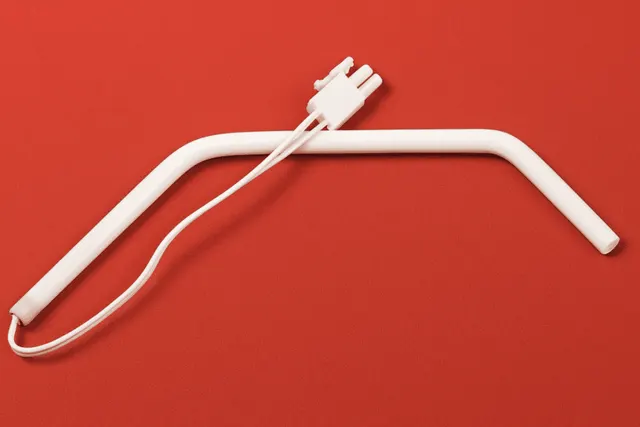
One of the first things to consider with an ice machine not making ice is whether the freezing area or evaporator surface is reaching the correct temperature. Even a slight temperature increase can slow or stop the freezing process, leading to soft cubes or reduced ice output. The freezer or machine may still feel cool, but not cold enough for proper ice formation.
- Ice feels soft, wet, or partially melted in the bin
- Unit seems to run but produces very little ice
- Unusual frost or condensation patterns develop inside the freezing area
If these symptoms appear along with your ice machine not making ice, a quick visual check for blocked vents, damaged door seals, or frost buildup is usually safe. More advanced temperature issues, such as thermostat failures or cooling system malfunctions, require professional diagnosis to restore proper freezing performance.
2. Water Supply and Filtration Problems
A reliable water source is essential for consistent ice production. When water flow is restricted or inconsistent, you may suddenly find your ice machine not making ice or producing undersized or misshapen cubes. Mineral buildup, sediment, or an expired water filter can also affect internal valves and water pathways.
- Cubes appear smaller than normal or look irregular
- You hear the unit running, but little or no ice appears in the bin
- Water filter indicator shows it needs replacement
Replacing an old filter according to the manufacturer’s schedule is a safe first step if you notice your ice machine not making ice. For issues involving internal valves, water lines, or connections, contact an Encino appliance repair technician. If a new filter does not resolve the issue, a professional can inspect the machine for deeper water flow problems.
3. Dirty Condenser Coils and Restricted Airflow
Ice machines depend on efficient heat release through the condenser system. When airflow is restricted or coils are covered with dust, the unit may run hotter than normal, leading to reduced performance or an ice machine not making ice consistently. Over time, poor airflow can strain internal components and increase energy use.
- Warm air around the front or side vents
- Longer run times with reduced ice output
- Visible dust buildup on external grilles or vents
Light cleaning of exterior vents with a vacuum attachment can improve airflow. Never remove panels or reposition the appliance unless the manufacturer specifically instructs it. If your ice machine not making ice continues after cleaning accessible areas, and schedule service so a technician can safely access internal components and restore proper cooling.
4. Ice Bin Sensors, Controls, and Mechanical Jams
Most modern ice makers use control arms, optical sensors, or mechanical switches to detect how full the ice bin is. When these components fail or become obstructed, you may notice your ice machine not making ice even though the bin is empty. Something as small as a large cube or chunk of ice can interfere with the sensor system.
- Machine does not start a new cycle even with an empty bin
- Sensors or control arms appear stuck in the “full” position
- Ice production starts and stops unpredictably
You can safely check the bin for visible blockages and remove loose ice that may be interfering with a sensor. If the ice machine not making ice and still does not restart, or if the controls seem unresponsive, a technician can test the shutoff system and replace failed components as needed.
5. Internal Components That Wear Out Over Time
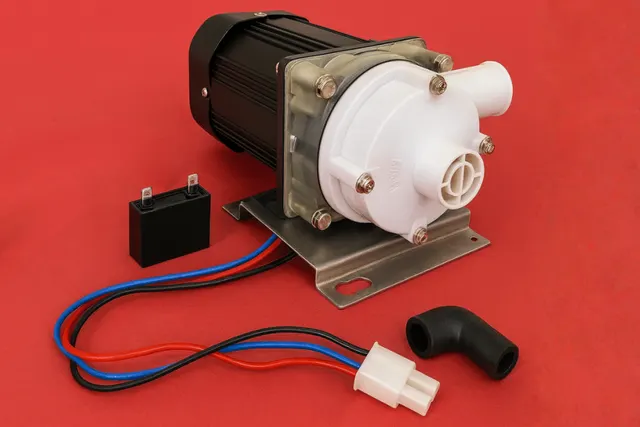
As ice machines age, pumps, motors, valves, and evaporator components experience wear. A gradual decline in ice production is often a sign of equipment nearing the end of its lifespan. If your ice machine has not been making ice a recurring issue for months, internal parts may be failing.
- Ice output decreases slowly over time
- New noises appear during the ice-making cycle
- Unit needs frequent resets to operate
These issues usually cannot be fixed with simple cleaning or maintenance. A professional technician can evaluate the age and condition of the machine and recommend whether to continue repairs or consider replacement. Often, repairing worn components can extend the life of the appliance and restore consistent performance.
6. Electrical and Control Board Concerns
The control board, wiring, and sensors manage every stage of the ice-making cycle. When these components malfunction, you may notice your ice machine not making ice, unresponsive buttons, or unusual display behavior. Electrical issues can be difficult to trace without specialized tools and training.
- Error codes on the display panel
- Unit does not respond to reset or cycle commands
- Machine powers on but produces no ice
Electrical repairs should never be handled at home. If your ice machine is not making ice and shows signs of a wiring or control board issue, contact a trained professional. They can safely test the electronics, read diagnostic codes, and determine whether appliance repair in Beverly Hills is the best solution.
When you notice your ice machine not making ice, addressing the issue quickly can protect the appliance, reduce repair costs, and restore reliable ice production. Whether the cause involves water flow, temperature issues, airflow restrictions, or electrical components, a qualified technician can provide an accurate diagnosis and the right repair plan.