
Why Is My Fridge Freezing Everything?
In this article
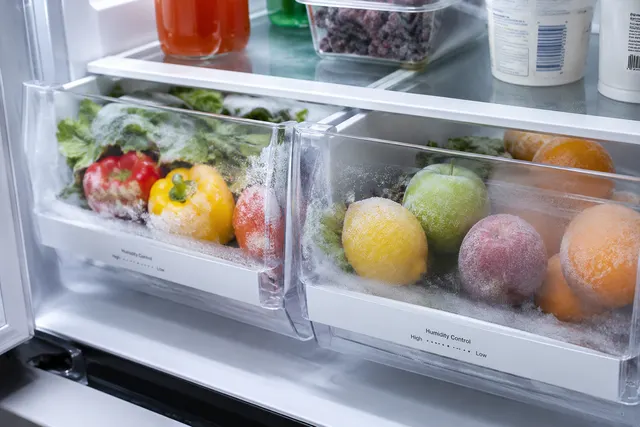
You reach for lettuce and it's frozen solid, the milk has ice crystals, and the eggs are frozen in their shells. If you're wondering why is my fridge freezing everything, the cause can range from a simple airflow problem to a failing internal component.
A few safe checks can help you spot the obvious issues, like a temperature dial set too low or food blocking a vent. But if your fridge keeps freezing everything after those checks, it's worth having a professional diagnose it before you lose more groceries or the problem damages the appliance itself.
At Allsafe Appliance Repair, we help Los Angeles homeowners get their refrigerators holding a steady, food-safe temperature again. This guide covers the most common reasons a refrigerator freezes fresh food, what you can safely check at home, and when to call in a technician.
Common Reasons a Fridge Is Freezing Everything
A refrigerator freezing food in the fresh food compartment almost always comes down to too much cold air, a sensor misreading the temperature, or a control that won't shut the cooling cycle off. Start with the simple checks and work toward the mechanical causes.
Refrigerator Temperature Is Set Too Low
The most common culprit is also the easiest to fix. A dial bumped while loading groceries, or a digital setting changed by accident, can push the fresh food compartment below freezing without anyone noticing.
Your refrigerator should sit between 37 and 40 degrees Fahrenheit, with the freezer at 0 degrees. If your setting is colder than that, raise the temperature and give the fridge a full 24 hours to stabilize before judging the results.
If food stops freezing after the adjustment, you've solved it. If everything still freezes at a correct setting, something inside the refrigerator is overriding it.
Air Vents Are Blocked
Most refrigerators cool the fresh food section with cold air blown in from the freezer through a set of vents. When food is packed directly in front of those vents, the items closest to them get exposed to freezer-temperature air and turn into ice, while the rest of the compartment may actually run warm.
Take a look at where the vents sit in your model, usually along the back wall or the divider between compartments, and keep a few inches of clearance around them. Spreading food out, avoiding overpacking, and keeping tall items away from the back wall all help air circulate the way the manufacturer intended.
Refrigerator Door Gasket Is Damaged
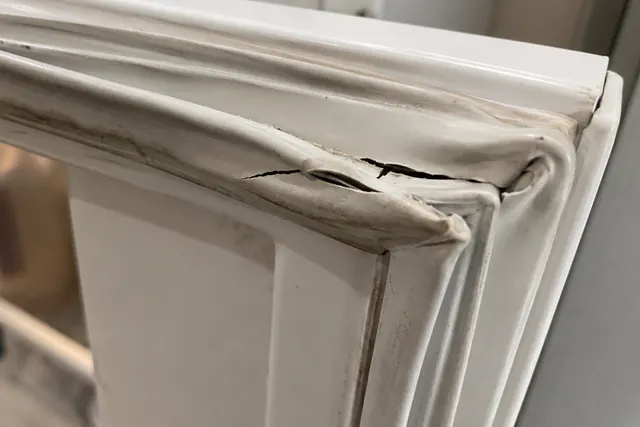
The rubber gasket around the door keeps outside air out and cold air in. When it cracks, tears, or loses its seal, warm humid air leaks into the compartment. The refrigerator may compensate by running longer cooling cycles, which can create uneven temperatures inside the fresh food compartment. In some cases, food near the air vents may begin to freeze.
Signs of a worn seal include condensation around the door edges, frost buildup inside, a gasket that looks flattened or cracked, and a door that doesn't resist slightly when you pull it open. A quick test: close the door on a dollar bill and pull. If it slides out with no resistance, the seal is weak at that spot.
If the gasket is visibly damaged, have it replaced professionally. A proper replacement seats the new seal evenly around the entire door so the fridge stops overworking.
Dirty Condenser Coils Reduce Cooling Efficiency
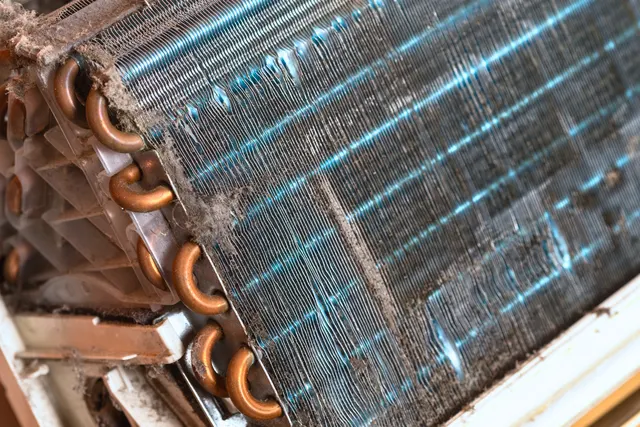
Condenser coils release the heat your refrigerator pulls out of the food compartments. When they're caked in dust and pet hair, the system can't shed heat efficiently, so it runs longer and works harder to hit its target temperature. That extended run time can contribute to uneven temperatures inside the refrigerator. In some cases, especially when combined with airflow or control problems, food near the vents may begin to freeze.
The good news is that coil cleaning is a safe maintenance task most homeowners can handle with a vacuum and a coil brush. Our guide on how to clean fridge coils walks through the process step by step.
A Faulty Thermistor Is Sending Incorrect Temperature Readings
The thermistor is the sensor that tells your refrigerator's control system how cold the compartment actually is. The control board relies on that reading to decide when to run the compressor and fans.
When a thermistor fails or drifts out of calibration, it can report that the fridge is warmer than it really is, so the cooling system keeps running and everything freezes. Symptoms include a fridge that's too cold no matter the setting, temperatures that swing widely, or a compressor that seems to run constantly.
Testing a thermistor requires accessing the sensor and checking its resistance against the manufacturer's specifications, so this diagnosis is best left to a professional.
The Damper Control Is Stuck Open
The damper is a small door that controls how much cold air moves from the freezer into the refrigerator section. It opens and closes automatically based on the temperature the fridge is trying to hold.
When the damper sticks open, freezer air pours into the fresh food compartment nonstop. Food near the vent freezes first, and eventually the whole compartment runs too cold. You may also hear the damper motor cycling without any change in airflow.
Accessing the damper usually requires removing interior panels. Determining whether the damper or its controls have failed requires proper testing, so this is a repair for a trained technician.
The Temperature Control Thermostat Is Failing
The temperature control thermostat directs power to the compressor and fan motors, cycling the cooling system on and off to hold your set temperature. It's the switch that tells everything when to stop. On many newer refrigerators, this function is handled electronically rather than by a mechanical thermostat.
If the thermostat fails in the closed position, it never cuts power, and the refrigerator keeps cooling well past the point it should. A fridge that runs constantly and freezes food at every setting is a classic sign the thermostat isn't shutting the compressor off properly.
Faulty control components should be replaced rather than worked around. Continuing to run a refrigerator with a failed thermostat wastes energy, ruins food, and puts extra wear on the compressor, the most expensive part in the machine.
A Defective Main Control Board
On many modern refrigerators, the main control board acts as the appliance's central control system, coordinating the compressor, fans, damper, and defrost cycle based on sensor input. Nearly every cooling decision passes through this board.
When a relay or circuit on the board fails, it can send constant power to the cooling system regardless of what the sensors report, freezing everything inside. Because a bad board mimics the symptoms of a bad thermistor or thermostat, swapping parts by guesswork gets expensive fast.
A trained technician can test the sensors and controls in sequence to confirm whether the board is truly at fault before replacing it.
Water Leaks May Indicate Additional Refrigerator Problems
Puddles under or inside the refrigerator don't directly cause freezing, but the two symptoms often trace back to the same underlying cooling or drainage issues. A clogged defrost drain, for example, can cause both ice buildup and water on the floor, and erratic cooling can produce melt-and-refreeze cycles that leave water behind.
If your fridge is leaking water along with freezing your food, mention both symptoms when you schedule service. Together they help a technician zero in on the root cause faster.
When to Call a Professional About a Fridge Freezing Everything
Most refrigerator freezing problems come down to airflow restrictions, incorrect temperature sensing, or cooling components that won't shut off. You can safely check the temperature setting, rearrange food away from the vents, and clean the condenser coils yourself.
But if fresh food keeps freezing after those checks, the cause is likely a failing thermistor, damper, thermostat, or control board, and those repairs require professional testing and replacement parts. The longer the problem continues, the more groceries you're likely to lose.
Allsafe Appliance Repair serves homeowners across Los Angeles County, from fridge repair in Beverly Hills, CA to communities all over the region. Schedule service today and get your refrigerator back to keeping food fresh instead of frozen.