
Why Is My Ice Cloudy? 5 Surprising Facts That Explain Cloudy Ice
In this article
If you’ve ever looked at your ice cubes and wondered, “Why is my ice cloudy?” you’re not alone. Many homeowners notice cloudy or milky-looking ice and assume it’s a problem with water quality or their refrigerator. In truth, cloudy ice vs clear ice comes down to how water freezes, and sometimes, it’s also a sign of appliance performance issues.
While cloudy ice is usually safe to use, changes in clarity, taste, or production rate can hint at maintenance needs within your refrigerator or ice maker. Knowing why is my ice cloudy helps you spot early warning signs of temperature, water, or ice maker issues. Below, we’ll break down what causes cloudy ice, when to be concerned, and when it’s time to call for professional service.
What Causes Cloudy Ice? Understanding Cloudy vs Clear Ice
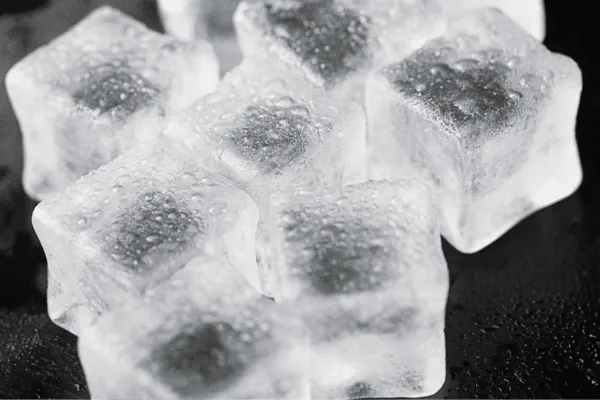
Cloudy ice happens when air or impurities get trapped inside during freezing. Clear ice forms slowly, allowing gases and minerals to escape before solidifying. Cloudy ice forms quickly, locking those elements inside. If you’ve been asking yourself, “Why is my ice cloudy even after using filtered water?” the answer often lies in freezing speed or appliance performance.
Here are the most common reasons your ice looks cloudy, and what each might mean for your appliance.
1. Trapped Air Bubbles During Freezing
One of the simplest answers to cloudy ice is trapped air. When water freezes quickly, it traps small air bubbles inside the ice. These bubbles scatter light and give ice its cloudy look.
Key details:
- Household freezers freeze ice from the outside in. Air becomes trapped in the middle of the cube.
- Fast freezing = more air bubbles = cloudy appearance.
- Automatic ice makers are designed for speed, so cloudy cubes are common.
What you can do:
- Cloudy ice alone isn’t harmful.
- If cubes look brittle, hollow, or unevenly frozen, it may point to temperature or water-flow inconsistencies that a technician should inspect.
2. Minerals and Impurities in Tap Water

Another common cause of why is my ice cloudy involves mineral content. Tap water often contains dissolved calcium and magnesium. When frozen, those minerals remain suspended in the ice, giving it a cloudy look and sometimes affecting taste.
Signs your water may be contributing:
- Ice has a white or chalky center.
- Ice tastes metallic or “off.”
- Water filter indicator shows it’s time for replacement.
What to check safely:
- Review when your refrigerator’s water filter was last changed.
- Replace filters every 6 months or as directed by the manufacturer.
- Avoid attempting to flush or dismantle any part of the water system.
If new filters don’t help and you’re still wondering why is my ice cloudy, the issue could lie with the inlet valve or filtration system.
3. Freezer Temperature Fluctuations
Temperature inconsistency is another frequent answer to cloudy ice. A steady freezer temperature is crucial for clear ice. If your freezer freezes water too quickly or inconsistently, air gets trapped in the cubes.
Causes of temperature fluctuation:
- Faulty thermostat or sensors.
- Blocked air vents or poor circulation.
- Overstuffed freezer compartments restricting airflow.
Safe checks you can make:
- Confirm vents are clear and food isn’t packed tightly around them.
- Keep your freezer set near 0°F (–18°C) for consistent results.
When to call for help:
If ice remains cloudy even after adjustments or temperature swings affect food storage, a technician should evaluate the cooling system for mechanical or airflow issues.
4. Ice Maker Function or Cycle Issues
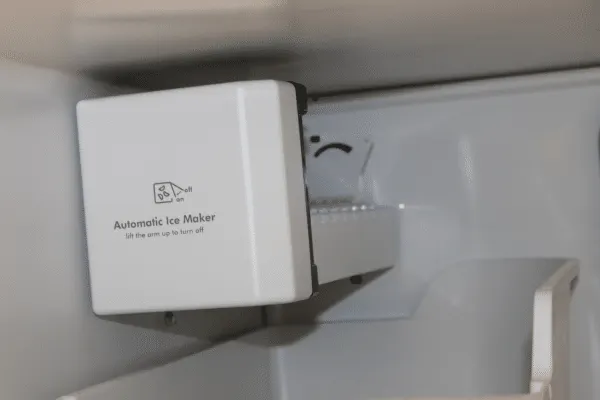
Sometimes the answer to why is my ice cloudy has less to do with water and more to do with your ice maker. If the cycle isn’t freezing evenly, air and minerals can get trapped, causing cloudy cubes.
Common ice maker issues affecting clarity:
- Faulty temperature or fill sensors causing uneven freezing.
- Irregular water flow or slow cycles.
- Electrical malfunctions within the ice maker assembly.
If your cloudy ice comes with slower production or smaller cubes, the system might not be completing its full freezing cycle correctly. That could explain why is my ice cloudy even when the freezer temperature seems normal.
We explain this connection in detail in our related guide on ice maker not working. Problems that stop an ice maker from producing ice often also cause cloudy, irregular cubes.
Important: Ice makers contain electrical components and moving parts, repairs should always be performed by a qualified professional, not as a DIY fix.
5. Refrigerator Cooling or Circulation Problems
Still wondering why is my ice cloudy even with a clean water filter? The cause may lie in your refrigerator’s cooling or airflow system. When circulation is uneven, ice can form too quickly or inconsistently, creating cloudy cubes.
Warning signs of cooling or airflow issues:
- Strange noises like humming, clicking, or rattling from the back of the fridge.
- Frost buildup or uneven cooling between shelves.
- Ice that forms unevenly or melts too quickly in the bin.
We discussed similar symptoms in our post on refrigerator making loud noises, which explains how certain sounds can indicate a failing fan motor or airflow restriction. Those same issues can disrupt your freezer’s ability to maintain even temperatures, leading to cloudy or inconsistent ice cubes.
When Cloudy Ice Could Mean a Bigger Problem
Why is my ice cloudy even after maintenance? While cloudy ice is often harmless, it can signal appliance inefficiency or hidden mechanical issues when combined with other symptoms.
Watch for these signs:
- Ice cubes are smaller, hollow, or uneven.
- Ice maker takes longer than usual to refill.
- Water dispenser flow is weak or uneven.
- Refrigerator temperature fluctuates.
These can all stem from mechanical wear, restricted water flow, or sensor errors inside the refrigerator. Having the appliance professionally diagnosed helps identify whether you’re dealing with mineral buildup, temperature control issues, or a failing component.
Preventing Cloudy Ice in the Future
You may not always get perfectly clear ice from a household freezer, but a few proactive habits can reduce cloudiness and improve taste. Following these steps can help minimize the “why is my ice cloudy” problem before it starts:
- Change your water filter regularly. A fresh filter removes minerals and impurities that cause cloudiness.
- Avoid overloading the freezer. Good airflow ensures even freezing.
- Check temperature settings. Keep the freezer near 0°F and avoid frequent door openings.
- Inspect for odd noises. Unusual sounds can indicate cooling or fan problems that also affect ice quality.
- Schedule periodic maintenance. A professional can clean coils, test airflow, and confirm temperature accuracy.
These steps keep your refrigerator efficient and help prevent cloudy ice caused by uneven freezing or poor water quality. If you ever find yourself wondering again, “why is my ice cloudy?”, these checks are the best place to start.
Professional service ensures accurate diagnosis and safe repair without risk of damage or injury. For dependable appliance repair in Santa Monica, contact Allsafe Appliance. Our trained technicians specialize in diagnosing refrigerator and ice maker problems quickly and safely. Whether your appliance is making cloudy ice, running loudly, or producing uneven cooling, our team provides expert solutions that restore performance and efficiency.