
Refrigerator Leaking Water? Causes, Signs, and What to Do
In this article
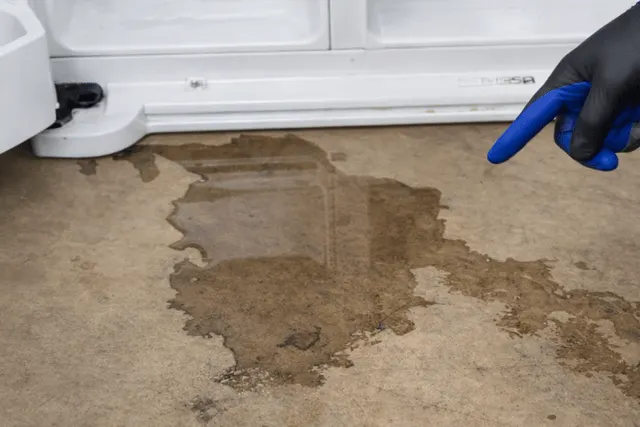
A refrigerator leaking water is one of the most common appliance issues homeowners face, and it can quickly turn from a minor inconvenience into a larger problem. Water pooling on the floor, moisture inside the fridge, or ice buildup in unexpected places are all signs that something is not working as it should.
While some causes are relatively straightforward, others involve internal components that require professional attention. Understanding what may be happening helps you recognize when it is safe to perform basic checks and when it is time to schedule service before water damage or performance issues worsen.
Common Causes of Refrigerator Leaking Water
When a refrigerator leaking water becomes noticeable, it usually means moisture is not draining or evaporating the way it was designed to. Refrigerators rely on a controlled system to manage condensation, defrost cycles, and water from ice makers. When any part of that system is disrupted, leaks can occur.
Below are the most common reasons water leaks happen, starting with simpler, lower-cost issues and progressing toward more complex problems that should always be handled by a trained technician.
Improper Refrigerator Leveling
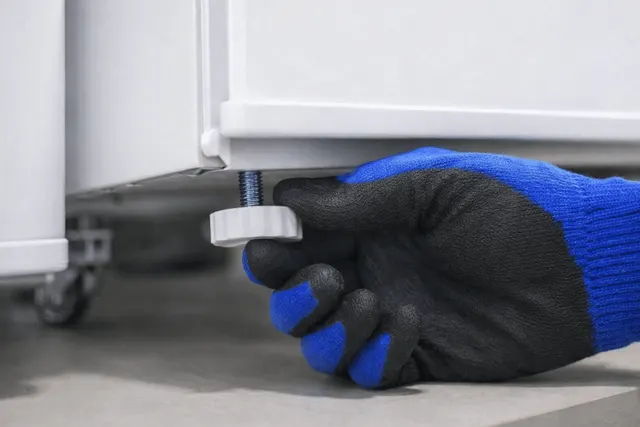
Refrigerators are designed to drain water in a specific direction. When the unit is not level, water may spill instead of flowing into the drain system.
Improper leveling often reveals itself through these observable signs:
- Doors swinging open unexpectedly
- Uneven gaps around door seals
- Water leaking from one corner
Improper leveling often contributes to both drainage and sealing problems. Correcting alignment can sometimes resolve leaks before more involved repairs are needed.
Excessive Condensation Inside the Refrigerator
High humidity, frequent door openings, or temperature inconsistencies can lead to excess condensation. Over time, this moisture may drip and create the appearance of a refrigerator leaking water.
Signs of excessive condensation typically include the following:
- Foggy shelves and containers
- Water droplets forming on interior walls
- Inconsistent cooling performance
If condensation continues despite normal use, internal airflow or sensor issues may be preventing proper moisture control and should be professionally assessed.
Clogged or Frozen Defrost Drain
The defrost drain carries condensation from the freezer to a drain pan, where it safely evaporates. If the drain becomes blocked by food residue or ice, water has nowhere to go and may spill into the refrigerator or onto the floor.
Common warning signs of a defrost drain issue often include the following symptoms:
- Water collecting under crisper drawers
- Ice buildup near the freezer floor
- Recurring puddles after defrost cycles
Drainage problems are sometimes accompanied by ice-related symptoms. For example, issues that cause a refrigerator leaking water may also contribute to situations where an ice machine isn’t making ice, signaling a disruption in normal water flow.
Damaged or Misaligned Door Gasket
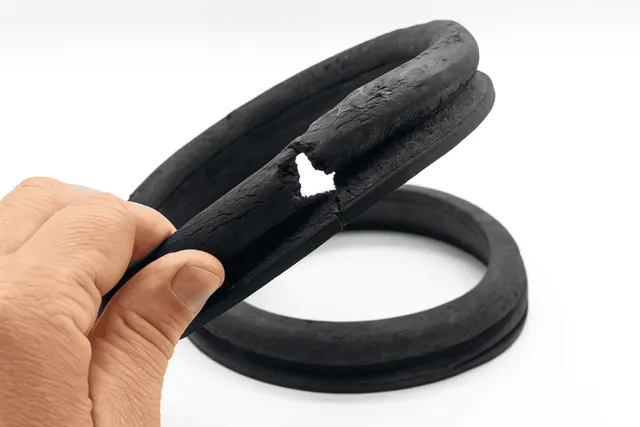
The door gasket seals cold air inside the refrigerator, and when it fails, a refrigerator leaking water can occur as warm air enters the unit and creates excess condensation that drips and pools.
When a gasket is no longer sealing correctly, homeowners may notice these common signs:
- Moisture along door edges
- Condensation inside fresh food compartments
- Doors that do not close firmly
When seals fail, the refrigerator may also work harder to maintain temperature, which can contribute to performance strain over time. Persistent gasket issues should be addressed professionally to prevent repeat moisture buildup.
Cracked or Overflowing Drain Pan
The drain pan sits beneath the refrigerator and collects water during normal operation. Over time, pans can crack, shift, or fail to evaporate water efficiently.
When the drain pan is no longer functioning properly, you may notice the following conditions:
- Water pooling under the appliance
- No visible moisture inside the refrigerator
- Leaks that appear intermittently
Because drain pans are designed as single components, they are replaced rather than repaired, and when they fail, a refrigerator leaking water from beneath the unit should be evaluated promptly to avoid floor damage and mold growth.
Ice Maker or Water Supply Issues
Refrigerators with ice makers rely on controlled water flow, and when problems occur, a refrigerator leaking water may result if connections loosen or internal ice maker components fail.
Ice maker or water supply problems often present themselves through the following indicators:
- Leaks near the freezer compartment
- Ice clumping or irregular ice production
- Water appearing shortly after ice cycles
In some cases, these water-related issues occur alongside other warning signs. Unusual sounds may develop as components strain, similar to scenarios where a refrigerator is loud due to underlying mechanical stress.
Internal Component Failures That Require Professional Service
In some cases, a refrigerator leaking water is the result of internal failures such as valve malfunctions, control issues, or cooling system problems. These issues are not visible from the outside and often worsen if left unaddressed.
Internal component problems may involve several underlying failures, including:
- Water inlet valve malfunctions that disrupt proper water flow
- Control or sensor issues that affect defrost and drainage cycles
- Cooling system problems that create abnormal condensation patterns
Because refrigerators combine electrical, mechanical, and cooling systems, professional diagnosis is the safest way to identify the root cause and prevent recurring leaks.
When to Call a Professional for Refrigerator Water Leaks
If your refrigerator leaking water continues after basic visual checks, professional service is the best next step. Ongoing leaks can damage flooring, compromise food storage, and place unnecessary strain on internal components.
Homeowners looking for dependable local service can rely on experienced West Hollywood appliance repair professionals to diagnose the issue accurately and recommend the right solution. Addressing leaks early helps protect both your appliance and your home.