
Wine Cooler Not Cooling? 7 Costly Mistakes to Avoid and What to Do
In this article
Discovering you have a wine cooler not cooling can be frustrating, especially if you’ve carefully built your collection and rely on precise temperatures to preserve every bottle’s character. A wine cooler’s main purpose is to maintain a stable environment that enhances each bottle’s flavor, aroma, and longevity. Most wines are best preserved at temperatures between 45 and 65°F (7 to 18°C), depending on the varietal and style. By keeping your collection within this range, your cooler helps prevent premature aging and flavor loss while ensuring every pour tastes as the winemaker intended.
Understanding the reasons behind a wine cooler not cooling helps you recognize whether the issue is minor or something that requires a professional touch. While some problems may involve airflow or environmental factors, others could point to component failure that only a technician should handle. Let’s take a closer look at what might be happening inside your cooler and how you can protect your investment.
Common Reasons for a Wine Cooler Not Cooling
When your wine cooler not cooling becomes a recurring issue, the cause is often one of several common mechanical or environmental problems. Even though some may appear straightforward, cooling systems involve sensitive components and refrigerant circuits that require careful inspection.
Below are the most frequent reasons professionals see when diagnosing wine coolers that won’t stay cold.
1. Blocked or Dirty Condenser Coils
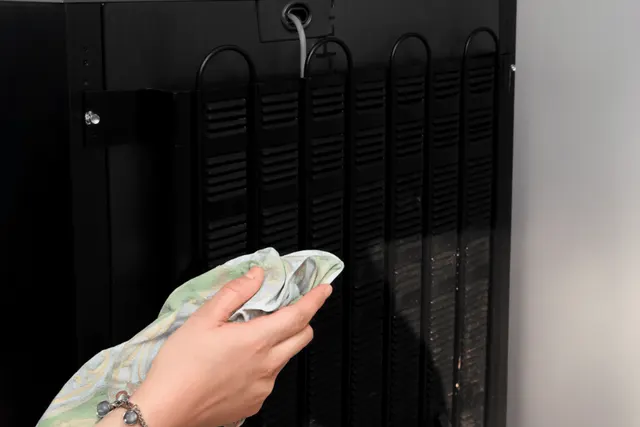
The condenser coils are responsible for releasing the heat your wine cooler removes from its interior. Over time, dust and debris can collect on these coils, creating a layer of insulation that prevents heat from escaping efficiently. This buildup causes the compressor to work harder, which can shorten its lifespan and reduce cooling performance.
If your wine cooler not cooling seems to be struggling, but the compressor is running continuously, dirty condenser coils might be to blame. Keeping them clean is one of the simplest ways to help your cooler run smoothly, though it’s important to do so safely.
Consider the following points:
- Unplug the unit before wiping accessible coils with a soft, dry cloth.
- Avoid using water or harsh cleaners that could cause corrosion.
- If coils are located behind a panel or in hard-to-reach areas, contact a professional for cleaning.
- Persistent cooling problems after cleaning could indicate deeper mechanical issues.
A professional technician can determine whether the problem extends beyond dirty coils to components like the compressor or condenser fan.
2. Faulty Evaporator Fan Motor
The evaporator fan plays a vital role in circulating cold air evenly throughout the wine cooler’s interior. When this fan fails or becomes obstructed, you’ll often notice uneven cooling. Some bottles may feel chilled while others remain warm. You may also hear unusual noises or notice that the interior feels warmer even though the cooler is running.
Because the evaporator fan involves electrical wiring and motor connections, repairs should be left to professionals. However, if you notice your wine cooler not cooling as it should, you can still perform a few basic observations to identify possible symptoms.
Look for these warning signs:
- Reduced airflow or stagnant air inside the cabinet.
- Ice buildup near the fan or behind interior panels.
- Clicking, buzzing, or grinding noises from the fan area.
- Persistent temperature fluctuations even after adjusting settings.
If you experience these issues, schedule professional service as soon as possible to prevent additional strain on the compressor and other cooling components.
3. Thermostat or Temperature Sensor Malfunction
When your thermostat or temperature sensor fails, it can throw off your wine cooler’s ability to regulate its internal environment. These components tell the control board when to power the compressor on or off, so if they send inaccurate readings, your unit might run constantly or not at all.
Temperature inconsistencies are often one of the first signs of this problem. A wine cooler not cooling evenly or shutting down prematurely may have a faulty thermostat or sensor. To keep your collection safe, avoid attempting electrical diagnostics yourself and have a trained technician check the system instead.
Typical symptoms of thermostat and sensor issues include:
- The cooler runs nonstop but doesn’t reach the desired temperature.
- Displayed temperature doesn’t match the actual interior temperature.
- The cooler shuts off before the bottles reach the correct chill.
- Sudden changes in cooling intensity or compressor cycling.
Replacing or recalibrating these parts often requires accessing electrical connections and calibration tools that only certified technicians possess.
4. Compressor or Start Relay Failure
The compressor is the heart of the wine cooler’s refrigeration system. It compresses refrigerant and circulates it through the coils to remove heat from the cabinet. If your compressor isn’t working correctly, your wine cooler not cooling is a near certainty.
Sometimes the compressor itself fails. In other cases, the start relay or capacitor that helps it engage is at fault. Because this part involves refrigerant and electrical current, diagnosis and repair should always be handled by licensed professionals. Attempting DIY compressor repairs can result in serious injury or damage to the system.
Here’s what to watch for:
- Clicking sounds every few seconds without consistent cooling.
- The compressor feels hot to the touch, but the interior remains warm.
- The unit stops running entirely or hums briefly before shutting off.
- A burning smell or electrical odor near the back of the appliance.
When any of these symptoms appear, it’s best to schedule a professional Santa Monica appliance repair appointment. Trained technicians can determine whether the compressor or relay needs replacement and ensure the work meets manufacturer safety standards.
5. Door Seal (Gasket) Leaks
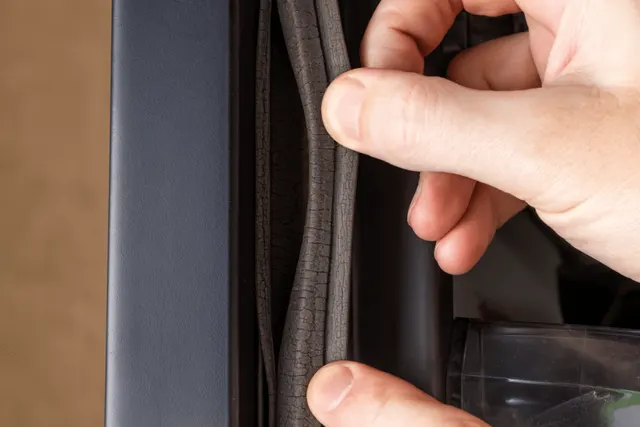
A worn or loose door gasket can cause warm air to seep into the cooler, forcing the compressor to overwork and eventually fail to maintain proper temperature. Even a small gap can lead to major cooling inefficiency over time.
Inspecting the gasket for visible wear or dirt buildup is one of the few safe checks you can perform. If the door doesn’t close tightly or you see moisture accumulating around the edges, your wine cooler not cooling could be due to air leakage.
Keep these inspection tips in mind:
- Look for cracks, tears, or flattened areas along the gasket.
- Clean the gasket regularly with mild soap and water to ensure a tight seal.
- Test for leaks by closing the door on a thin piece of paper; if it slides out easily, the seal may need replacement.
- Avoid using adhesive or tape fixes. These are temporary and may damage the finish.
A professional can quickly replace a worn gasket and confirm that the door alignment and seal pressure meet manufacturer specifications, restoring proper function if your wine cooler not cooling is caused by air leaks.
6. Environmental and Placement Factors
Sometimes the cause of a wine cooler not cooling isn’t mechanical at all. It’s environmental. The surrounding temperature, ventilation, and placement of the unit can all affect performance. If the cooler is located near a heat source, in direct sunlight, or in an unventilated area, its ability to dissipate heat will be compromised.
Proper placement ensures your wine cooler can maintain consistent internal temperatures with less energy use.
Review these placement considerations:
- Keep the cooler away from ovens, dishwashers, or direct sunlight.
- Maintain at least two to three inches of space behind and around the unit for ventilation.
- Avoid storing the cooler in garages or outdoor spaces where ambient temperatures fluctuate dramatically.
- Make sure vents and air inlets are clear of dust or obstruction.
Even the best-designed wine cooler can struggle if it doesn’t have adequate airflow around it, so checking placement is an easy first step before assuming a major component failure.
7. Control Board or Electrical Issues
Modern wine coolers use control boards to manage compressor cycles, fan speed, and temperature settings. If your control board fails, the system can behave unpredictably or stop responding to temperature changes altogether. These boards can short out from power surges or wear over time.
While it’s tempting to reset or inspect the board yourself, electrical components pose serious risks if handled improperly. If your wine cooler is not cooling issue seems connected to the control panel or electronics, a technician can safely test voltage and determine whether the board or related sensors need replacement.
Common indications of electrical control issues include:
- Unresponsive digital display or flickering lights.
- Cooler doesn’t respond to temperature adjustments.
- The unit powers off unexpectedly or won’t turn on.
- Burning smell near the control panel or power cord area.
A wine cooler not cooling is often linked to an electrical malfunction. Disconnect power immediately and call a professional for inspection.
Another issue that can spoil your wine experience is a dishwasher leaving spots or moisture on your glasses. Read our guide on dishwasher not drying dishes for expert tips on keeping your glassware crystal clear and ready for your next toast.