
Thermador Oven Making Strange Noises: What They Mean & When to Call a Pro
In this article
A Thermador oven making strange noises can be unsettling, especially when the sound starts suddenly or seems to get worse over time. Some oven noises are just part of normal heating and cooling. Others can point to a worn fan, a loose part, an ignition issue, or an electrical problem.
The tricky part is knowing which sounds are harmless and which ones need attention. A soft hum, light clicking, or small popping sound usually isn't a cause for concern. But grinding, scraping, buzzing, loud rattling, or repeated clicking shouldn't be ignored.
At Allsafe Appliance Repair, we service premium ovens across Los Angeles every day. This guide explains the most common reasons a Thermador oven makes unusual sounds, what those sounds may mean, and when it's time to schedule professional service.
What Does This Sound Mean? A Quick Sound Guide
Many searches start with a specific sound, like a Thermador oven grinding noise, buzzing, or squealing, rather than just "strange noises." Use this quick guide to match what you hear with the most likely cause, then read the section below for details.
| Sound you hear | What it usually means |
|---|---|
| Light ticking | Normal metal expansion during heating |
| Gentle humming | Cooling or convection fan running (often normal) |
| Popping | Metal expanding and contracting with temperature |
| Grinding | Worn fan motor or bearings |
| Scraping | Fan blade contacting its housing |
| Buzzing | Loose fan or an electrical issue |
| Rattling | Loose rack, trim, or fan |
| Repeated clicking | Ignition or control issue |
| Loud bang | Should be inspected by a technician |
Common Causes of a Thermador Oven Making Strange Noises
Thermador ovens are high-end appliances with advanced cooking features. Because they rely on fans, motors, sensors, relays, and heating elements, different noises can come from different areas of the oven. Here are the causes we see most often, starting with the ones that are usually nothing to worry about.
Thermal Expansion and Contraction (Often Normal)
Sometimes nothing is actually wrong. Ovens reach high temperatures, and metal parts naturally expand and contract as those temperatures change. Normal temperature-related sounds include light ticking during preheating, small popping as the oven warms up, and soft clicking as parts cool down.
These sounds are usually brief and quiet. They shouldn't sound like scraping, banging, or rapid repeated clicking. When the noise is sharp, frequent, or much louder than it used to be, have the oven inspected so a technician can confirm whether it's normal operation or a loose or failing component.
Cooling Fan Noise
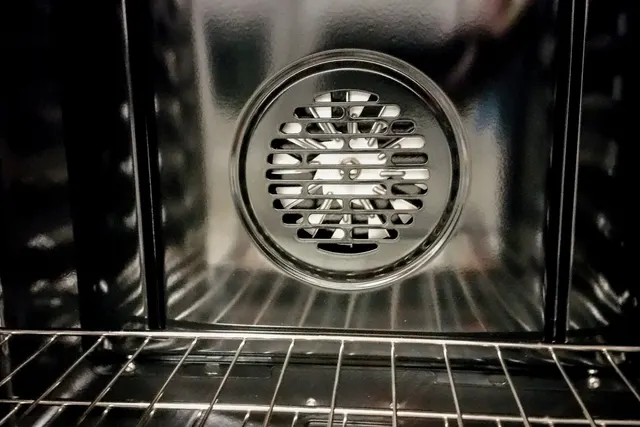
Many Thermador ovens include a cooling fan to protect internal parts from excess heat. This fan often runs during cooking and continues after the oven is switched off, which is completely normal. Typical cooling-fan sounds include a steady hum, a light blowing sound, and airflow that keeps going through the cooldown.
The fan may need attention, though, if the sound becomes loud, rough, or uneven. A worn fan motor or a damaged fan blade can create a Thermador oven buzzing, rattling, or grinding noise. Another sign worth watching is a fan hum that turns harsh or unbalanced. When the sound is new or getting worse, have a technician inspect the oven, since cooling issues can affect performance and lead to bigger problems if left alone.
Convection Fan Problems
If your model has convection cooking, it uses a convection fan to circulate hot air around the cavity so food cooks more evenly. When that fan develops a problem, you may hear scraping, rattling, buzzing, or a whirring Thermador oven fan noise that's louder than usual.
A struggling convection fan can also change your results, browning food unevenly, taking longer to cook, or baking one side of a pan differently from the other. When the strange fan noise shows up alongside your oven baking unevenly, it's best to have the appliance checked so a professional can pinpoint whether the fan, the motor, or another heating part is to blame.
Loose Racks or Vibrating Parts
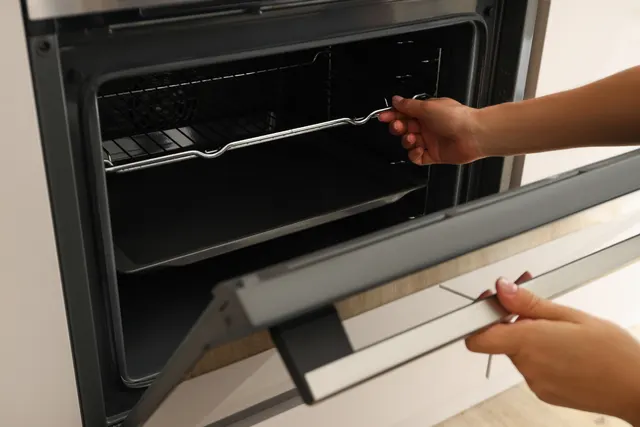
One common cause is something simple, like a rack, tray, or oven-safe pan vibrating as the oven heats. Metal expands when it warms up, and that movement can cause light ticking, popping, or a Thermador oven rattling sound. A few safe checks:
- Make sure the racks are seated correctly in their supports
- Confirm pans aren't touching the oven walls
- Remove any extra bakeware stored inside the oven before use
- Look for visibly loose trim or damaged rack supports
Don't remove panels or attempt internal repairs. When the noise seems to come from behind a panel, near the fan area, or inside the control section, call a professional.
Worn Fan Motor Bearings
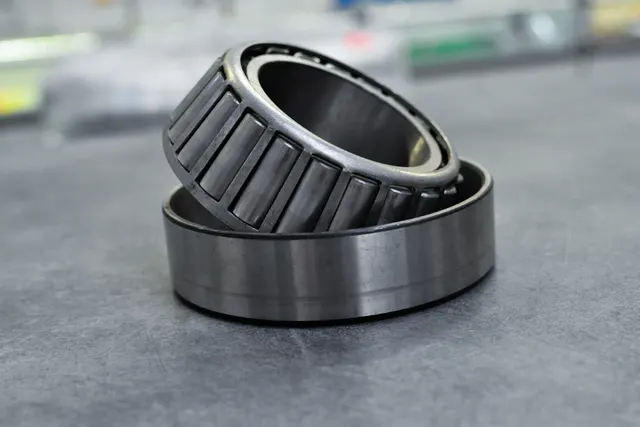
Fan motors rely on bearings to spin smoothly. Over time those bearings wear down, and when they do the fan may keep running but sound far louder than it should. Signs of worn bearings include:
- A Thermador oven grinding noise while it runs
- Squealing during preheating
- A rough sound that changes with fan speed
- Noise that continues after cooking ends
This problem tends to get worse with time, and the motor may strain until it fails completely. Keep in mind that fan motors and bearings naturally wear out, especially on ovens that see frequent use or are more than several years old. Because the repair involves internal parts and electrical components, it should be handled by a trained oven repair technician.
Ignition Noises in Gas Thermador Ovens
Gas Thermador ovens may click as the ignition system lights the burner, and a little clicking at startup is normal. Repeated clicking, delayed ignition, or clicking paired with a gas smell is not. Call a professional right away if you notice:
- Constant clicking
- Clicking but no heat
- A delayed whoosh when the burner lights
- Any unusual gas odor
Never inspect, test, or adjust gas lines yourself. If you smell gas, turn the oven off, avoid operating light switches or other electrical devices nearby, and leave the area if the odor is strong. Contact your gas utility or emergency services if needed, then arrange for a qualified professional to service the appliance.
Control Board or Relay Clicking
Some clicking comes from the oven's control system. Relays send power to different parts during cooking, so light clicking as the oven cycles heat on and off can be normal. Clicking that repeats constantly, however, may point to an electrical or control issue, especially if it continues after the oven has reached temperature or is accompanied by heating problems. Watch for:
- Clicking that happens over and over
- The oven not heating correctly
- The display behaving strangely
- The oven shutting off unexpectedly
- Error codes on the control panel
When the noise happens together with heating trouble, schedule service. It's also worth reading more about what can cause an oven that isn't heating, since some of these symptoms overlap across oven brands.
When Do the Noises Happen?
Paying attention to when a sound occurs is one of the fastest ways to narrow down the cause.
Noises During Preheating
Sounds are often more noticeable during preheating because the oven heats quickly, fans start up, relays click, and metal expands. During preheating, focus on the type of sound:
- Light ticking is usually normal
- A steady fan sound is usually normal
- Loud rattling may point to a loose part
- Grinding may point to a fan or motor issue
- Repeated clicking may point to ignition or control trouble
When a sound happens once and doesn't return, it may not be urgent. If it happens every time you use the oven, gets louder, or comes with cooking problems, have it checked.
Noises After the Oven Turns Off
It's normal for a Thermador oven to make some noise after cooking ends, since the cooling fan keeps running until the oven reaches a safer temperature. Normal cooldown sounds include a steady fan hum, light ticking as metal cools, and soft airflow.
Grinding, squealing, scraping, or a fan that sounds unbalanced during cooldown is a different story and may point to a cooling fan or motor problem. This becomes more concerning when the fan runs much longer than usual or sounds rough, so contact a professional, because the cooling system helps protect important oven parts and needs to work correctly.
When Strange Noises Come With Poor Cooking Results
A strange noise is more concerning when the oven also stops cooking the way it should, which can mean the problem is affecting airflow, heat control, or another major system. Watch for symptoms like:
- Food cooking unevenly
- The oven taking too long to preheat
- Burning on one side of a dish
- Food coming out undercooked
- The oven temperature not matching the setting
- The oven shutting off before cooking is done
These signs should be diagnosed by a technician. Thermador ovens are built with precise systems, and guessing at the cause can lead to missed problems or unsafe repairs.
Before You Call for Service
A few quick observations before you schedule an appointment can help your technician diagnose the problem faster. Check these simple things first:
- Remove any pans or bakeware stored inside the oven
- Make sure the oven racks are fully seated in their supports
- Note whether the noise happens during preheat, baking, or cooldown
- Notice whether convection mode changes the sound
- Record the noise with your phone if possible
- Write down any error codes on the display
Technicians genuinely appreciate this information, and it often shortens the visit.
Why You Shouldn't Ignore Strange Oven Sounds
Unusual oven sounds often start small. A light buzz can become a loud vibration, a rough fan can turn into a failed motor, and a repeated click can point to a control or ignition issue. Ignoring the problem can lead to:
- More expensive repairs
- Poor cooking performance
- Longer preheat times
- Uneven baking
- Safety concerns
- More wear on nearby parts
Getting help early protects the appliance and helps restore safe, reliable cooking.
What to Expect From a Professional Diagnosis
During a service visit, a technician listens to the sound, checks how the oven operates, and inspects the systems that could be causing the issue, including fans, motors, controls, heating parts, and ignition components. They then explain what's wrong and lay out repair options before any work begins, so you can make a clear decision about your Thermador oven. Because strange noises can have several possible causes, an in-home diagnosis is the best way to find the true source.
For expert help with premium appliances, schedule professional Thermador oven repair. A trained technician can diagnose the noise, explain the issue, and help restore safe, dependable oven performance.