
Induction Stove Not Working? Common Causes & When to Call a Pro
In this article
Induction cooktops don't heat the way traditional electric or gas ranges do. Instead of a flame or a glowing element, they use an electromagnetic field that heats the cookware directly instead of the cooktop surface, though the glass will still warm from the hot cookware sitting on it. That technology makes induction fast and efficient, but it also means an induction stove not working can have causes that look nothing like a typical stove problem.
Some of those causes are simple to identify at home, like the wrong pan or a control lock that's switched on. Others involve the electronics inside the cooktop and require professional diagnosis to pin down.
At Allsafe Appliance Repair, we help Los Angeles homeowners get their cooktops heating reliably again. This guide walks through the most common reasons an induction cooktop stops working, what you can safely check yourself, and when it's time to bring in a technician.
Why Is Your Induction Stove Not Working?
Most induction cooktop problems fall into the categories below, starting with the easiest issues to rule out before moving to component failures that require professional repair.
Incompatible Cookware
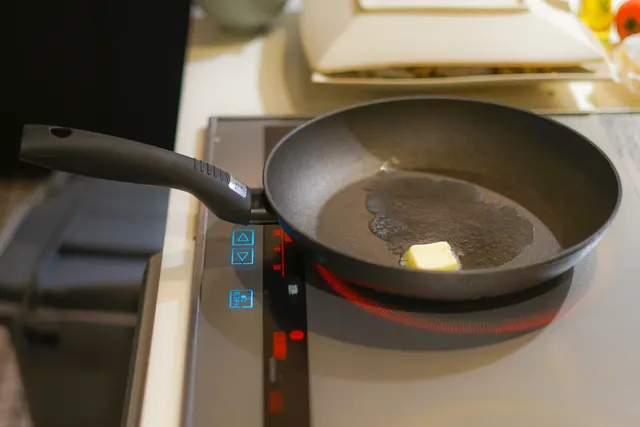
Induction cooktops only work with magnetic cookware. The burner creates an electromagnetic field, and the pan itself has to respond to that field to produce heat. Cast iron, carbon steel, and many stainless steel pans work; aluminum, copper, and glass cookware typically don't unless they have a magnetic base layer.
When you place an incompatible pan on the burner, the cooktop usually acts like nothing is there. The display may flash a pan-detection symbol, the burner may repeatedly try to detect cookware, or the zone simply never heats no matter how high you set it.
Before assuming the appliance has failed, test your cookware. Hold a refrigerator magnet flat against the bottom of the pan. If it sticks firmly, the pan is induction-compatible. If it slides off or barely grips, the pan is the problem, not the cooktop.
Cookware Is Too Small or Improperly Positioned
Each cooking zone has sensors that need to detect a pan covering enough of the zone before the burner will activate. It's a safety feature that keeps the cooktop from running with nothing on it, but it also means a pan that's too small or sitting off-center may never trigger the burner at all.
A small saucepan on a large zone, or a pan pushed halfway off the marked circle, can leave the cooktop convinced there's no cookware present. Some models flash an indicator when this happens; others just stay quiet.
The fix is a simple visual check. Center the pan on the marked cooking zone and make sure its base covers most of the circle. If the burner springs to life once the pan is centered, you've found your answer.
Control Lock or Safety Features Are Enabled
Nearly every induction cooktop has a control lock, sometimes labeled as a child lock, that disables the touch controls to prevent accidental activation. When it's on, the cooktop can look completely dead: buttons don't respond, burners won't start, the controls may beep without activating, and the display may show a lock icon or the letter L.
The unlock procedure varies by brand, but it usually involves pressing and holding a specific button for several seconds. Following the instructions in your owner's manual for the model-specific steps is the best approach.
If you've disabled the lock and the cooktop still won't respond, something deeper is going on, and professional service is the safest next step.
Surface Contamination or Moisture Around the Controls
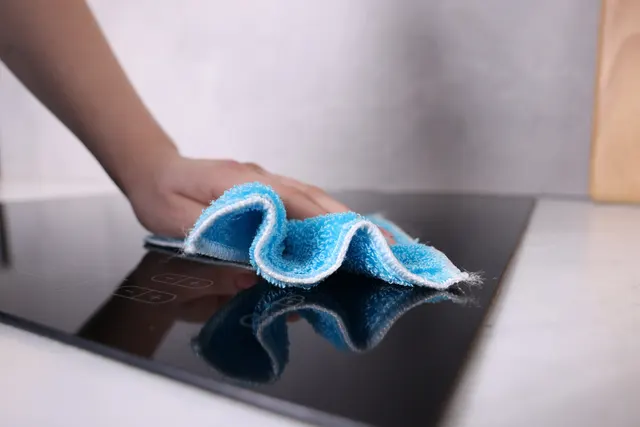
Touch controls on many induction models can be surprisingly sensitive to what's sitting on top of them. A spill from an overboiled pot, heavy cooking residue, or even a damp towel resting across the control panel can confuse the sensors, causing buttons to ignore your input or the cooktop to shut itself off.
Wipe the entire surface down with an appropriate cooktop cleaner, then dry it thoroughly, paying special attention to the control area. Once the surface is clean and completely dry, try the controls again.
If the cooktop still misbehaves after a good cleaning, the touch panel itself may be failing, and that calls for professional diagnosis.
While gas and induction ranges operate differently, some cooking performance problems can appear similar. If you're troubleshooting a gas appliance instead, our guide on gas stove not igniting explains the most common causes.
Power Supply Problems
Induction cooktops depend on a consistent electrical supply to run their electronics and generate the electromagnetic field. When that supply is interrupted or unstable, the symptoms show up fast: a completely blank display, controls that flash or reset on their own, or a cooktop that won't respond at all.
Because these appliances typically run on dedicated high-voltage circuits, electrical problems aren't something to investigate on your own. Diagnosing whether the issue lies in the home's supply or in the cooktop's internal power components requires proper testing by someone trained to do it safely.
If your cooktop shows signs of a power problem, schedule professional diagnosis rather than troubleshooting the electrical side yourself.
Faulty Induction Coil
Beneath each cooking zone sits an induction coil, the component that actually generates the electromagnetic field that heats your pan. When a coil fails, that zone loses its ability to produce heat entirely.
The telltale symptom is one burner that won't heat while the others work normally. The dead zone may still light up its display and accept settings, but no matter what cookware you use, the pan stays cold.
Coil replacement means opening up the cooktop and working around its electronics, so this is a repair for a trained technician, not a DIY project.
Damaged Touch Controls or User Interface
The touch panel is the part of the cooktop you interact with most, and over years of heat, cleaning, and daily use, it can wear out. When the interface fails, you lose the ability to activate burners even though the cooking components underneath may be perfectly fine.
Symptoms include buttons that don't respond no matter how firmly you press, controls that only work intermittently, or a display that stays dark while the rest of the appliance has power.
Replacing a touch panel involves the cooktop's internal wiring and electronics, so professional service is recommended.
Failed Control Board
The control board is the electronic hub of the appliance. It manages every cooking zone and interprets every command from the touch controls.
When the board starts failing, the problems tend to spread across the whole cooktop rather than staying at one burner. Multiple zones failing at once, error codes that keep coming back after a reset, or burners that behave inconsistently from one use to the next all point toward the board.
Because control board symptoms can overlap with sensor and power issues, professional diagnosis is worth it before replacing anything. A technician can confirm the board is truly at fault and install the correct replacement.
When to Call a Professional About an Induction Stove Not Working
Cookware compatibility, pan placement, control locks, and a dirty control surface are the easiest causes to rule out, and they're all safe to check yourself in a few minutes. If the cooktop starts working after one of those checks, you're done.
But when the display stays blank, one or more burners refuse to heat with the right cookware in place, or error codes keep returning, the cause is likely a power, coil, or control component failure, and those require professional testing and repair.
Allsafe Appliance Repair serves homeowners across Los Angeles County, from Hollywood oven repair to communities all over the region. If your cooktop continues to malfunction, schedule service today and get your induction cooktop heating properly again.