
GE Oven Not Heating? Here’s 5 Shocking Causes and Quick Fixes
In this article
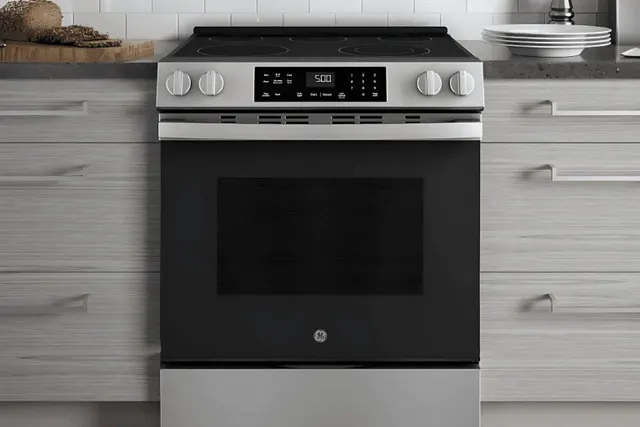
If you have a problem with your GE oven not heating, you know it can bring meal preparation to a halt and cause a lot of frustration. Ovens rely on several critical components to produce and regulate heat, so your oven may stop heating when one of these parts fails. Understanding the most common causes can help you know when a quick check may help and when to call for professional repair.
Quick Troubleshooting Checklist
Before diving into part failures, here are a few fast checks:
- Check that the circuit breaker hasn’t tripped.
- Watch for error codes on the control panel (codes like F2, F3, or F4 may point to sensor or temperature issues).
- Notice if only one function works (bake or broil), which can help narrow down the issue.
Common GE Oven Error Codes
- F2 – Oven temperature too high (often tied to thermostat or control board issues).
- F3 – Oven temperature sensor failure (sensor not sending correct signal).
- F4 – Sensor short circuit or wiring problem.
These codes don’t always appear, but when they do, they can point you toward the faulty part.
GE Oven Not Heating: Common Causes
When you're having the problem of a GE oven not heating, the issue could be related to electrical components, safety mechanisms, or heating elements that control how the appliance functions. These parts are essential for consistent performance, and when one fails, the oven may stop working altogether. Here are the most frequent culprits you should check if your GE oven is not heating.
Blown Thermal Fuse
The thermal fuse is a safety device designed to protect your oven from overheating. When it fails, the oven may become completely unresponsive. Watch for:
- The display going blank and all functions shutting down
- No response when pressing buttons or selecting cooking modes
A blown fuse is different from a high-limit thermostat, which can reset itself. Thermal fuses cannot be reset and must be replaced. This issue often signals overheating or another underlying electrical problem. Because replacement involves handling electrical connections, a professional should perform the repair.
Need Repair Help?
Burned Out Bake or Broil Element (Electric Models)
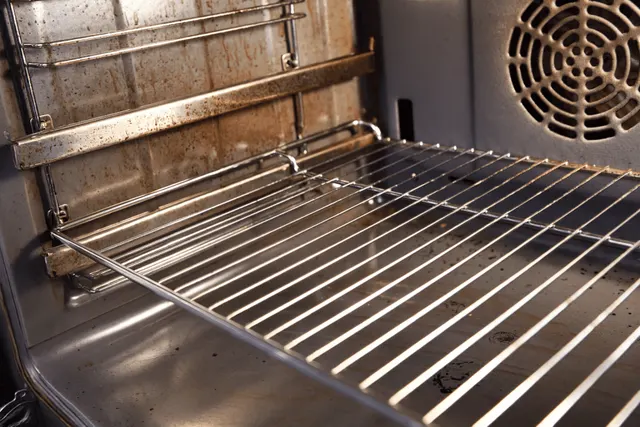
Electric ovens rely on two main elements: the bake element at the bottom and the broil element at the top. When either fails, heating performance drops significantly. Symptoms include:
- Food taking much longer than usual to cook
- One cooking function (bake or broil) working while the other does not
- Visible signs of damage like cracks, blisters, or dark spots on the element
If both elements fail at once, the issue is usually not the elements themselves but wiring, controls, or the power supply. In many cases of a GE oven not heating, you may see visible damage, but actual testing and replacement should always be left to a technician.
GET MORE REPAIR TIPS FROM OUR EXPERTS
Browse Our Latest Articles
Malfunctioning Temperature Sensor (or Thermistor)
The temperature sensor (or thermistor in some GE models) ensures the oven maintains the correct temperature by communicating with the control board. When it malfunctions, you may notice:
- Food undercooking or overcooking despite correct settings
- The oven struggling to reach or hold the set temperature
- Excessively long preheat times
Some GE appliances allow you to recalibrate the oven temperature in the control panel. If recalibration doesn’t resolve the issue, the problem may be a failed sensor or wiring fault. In many cases, an error code such as F3 or F4 will appear when the sensor malfunctions. A technician can confirm the diagnosis and replace the sensor if needed.
Defective Igniter (Gas Models)
Gas ovens depend on an igniter to start the heating process. The igniter must draw enough current to open the safety valve and allow gas to flow. When it’s weak or failing, you might see:
- The igniter glowing without producing a flame
- Long preheat times or no ignition at all
- Clicking sounds with no heat
A defective igniter prevents gas from releasing safely, leaving the oven cold. Since this involves both gas and electricity, only a trained technician should replace the part.
Control Board or Thermostat Issues
The control board and thermostat are responsible for directing power and regulating heat. If either fails, the oven may not function properly. Signs include:
- The oven not entering a heating cycle
- Sudden shutdowns during cooking
- Error codes appearing on the display
A faulty thermostat may also cause temperature inconsistencies, leading to food that bakes unevenly. In some cases, an F2 error code will appear if the oven overheats due to control issues. Because these problems are difficult to confirm without specialized tools, professional diagnosis is necessary.
If your GE oven is not heating, the cause could be as simple as a tripped breaker or blown fuse, or as complex as a control board failure. In many cases, when you experience a GE oven not heating, quick checks can sometimes point to the problem, but most solutions still require professional service for safe and accurate repairs.
For expert help, schedule service with a trusted local team. If you’re in the Hollywood area, our appliance repair technicians in Beverly Hills and beyond can restore your GE oven’s performance and get you back to reliable cooking.