
7 Common Reasons a Gas Range Won’t Ignite Explained
In this article
A gas range that won’t ignite when you need it is inconvenient and concerning. Because these appliances rely on a precise balance of gas flow, clean burner components, and a reliable electrical spark, any disruption in the system can prevent a flame from forming. If your burner keeps clicking without lighting, or if ignition is slow or inconsistent, it usually indicates buildup, moisture, wear, or a component that needs attention.
Some ignition failures stem from routine maintenance issues, while others involve electrical or gas-related components that require professional service. Understanding the most common reasons a gas range won’t ignite can help you identify what’s safe to check at home and when it’s time to call for expert repair.
Common Reasons a Gas Range Won’t Ignite
Ignition issues can appear gradually or suddenly, depending on the cause. Early warning signs include delayed lighting, weak or uneven flames, or clicking that continues longer than normal. In more advanced cases, the burner may not ignite at all. Below are the most common reasons a gas range won’t ignite and the symptoms associated with each.
1. Food or Grease Buildup Around the Burner Head
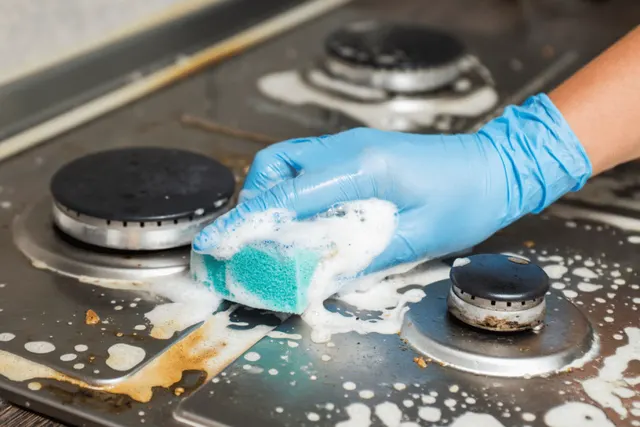
Cooking releases oils and tiny food particles that settle around the burner head. As residue accumulates, it can block the small openings that allow gas to flow evenly. Even a thin layer of buildup can disrupt ignition by preventing proper gas flow and interfering with the igniter’s ground path, weakening the spark.
Common symptoms include:
- Persistent clicking without ignition
- Weak or uneven flame once it finally lights
- Delayed ignition, especially after spills
Surface cleaning is safe and often effective. Use warm, soapy water and a soft cloth to remove visible residue. Deeper clogs inside the burner should be handled by a professional, since disassembling components or probing ports can cause damage or misalignment.
2. Misaligned or Wet Burner Caps
Burner caps must sit completely flush and centered on the burner base. If a cap is even slightly off, gas may not reach the igniter consistently, causing repeated clicking without ignition. Some brands, such as Whirlpool and KitchenAid sealed-burner designs, are especially sensitive to cap alignment.
Moisture from cleaning or boil-overs is another frequent cause of ignition failure. Water trapped under the burner cap or around the igniter disrupts gas flow and spark strength until the area fully dries.
Look for signs such as:
- Burners light only after several attempts
- Clicking that stops after repositioning the cap
- Ignition problems immediately following cleaning
Ensure the area is completely dry and the burner cap is properly centered. If ignition still fails, another component may be responsible.
3. Faulty Igniter or Weak Spark
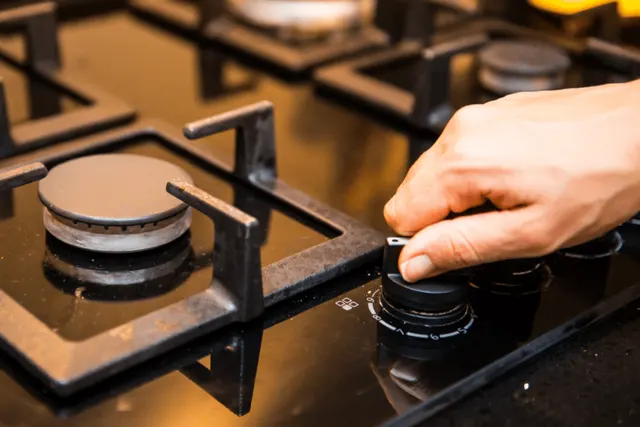
The igniter creates the spark that lights the gas. Over time, igniters can wear out, develop residue, or crack, leading to a weak or intermittent spark. In some cases, you may hear clicking but see no visible spark at all.
Common symptoms include:
- Clicking without flame
- A weak, inconsistent, or invisible spark
- Ignition occurring only after multiple attempts
Because igniters connect to electrical wiring, repair or replacement should be done by a trained technician. Accessing or adjusting wiring carries risks of shock or damage to nearby components.
If you’re also experiencing problems with your oven not powering on, the cause may be a shared ignition or electrical failure. Our guide on oven won’t turn on explains common reasons this occurs and when to schedule service.
4. Clogged Burner Ports
The burner ports are tiny openings around the burner ring where the flame emerges. These can become partially blocked by grease or fine debris, resulting in uneven flames or areas of the burner that do not ignite. This is a common reason a gas range won’t ignite consistently.
Signs of restricted burner ports include:
- Only part of the burner ring lights
- A flame that flickers or lifts
- Burners that fail after extended cooking sessions
Light surface cleaning around the ports is safe, but deeper clearing requires proper tools. Trying to clear ports with pins or toothpicks can enlarge openings or break off inside, damaging the burner. A technician can restore proper gas flow safely.
5. Issues With the Ignition Switch or Spark Module
The ignition switch and spark module supply the power that enables each igniter to spark. When either component begins to fail, multiple burners may be affected simultaneously.
Potential signs include:
- Continuous clicking even after the burner lights
- Multiple burners failing to ignite at once
- Burners that work intermittently from day to day
If your burner clicks even when the knob is in the OFF position, a stuck ignition switch is a likely cause. Because these systems involve internal electrical components, diagnosis and repair should always be completed by professional appliance repair in Beverly Hills.
6. Failing Gas Supply Components (Professional-Only Area)
In some cases, ignition failure points to a problem within the gas delivery system inside the appliance. Internal gas valves, regulators, or manifold components may restrict the amount of gas reaching the burners, resulting in weak flames or complete ignition failure.
Symptoms may include:
- Weak flames on all burners
- Clicking with no ignition even after drying and cleaning
- Flames that extinguish shortly after lighting
Gas components should never be opened or tested by homeowners. For safety, only licensed technicians should assess gas pressure or internal supply systems.
7. Moisture From Cleaning or Boil-Overs
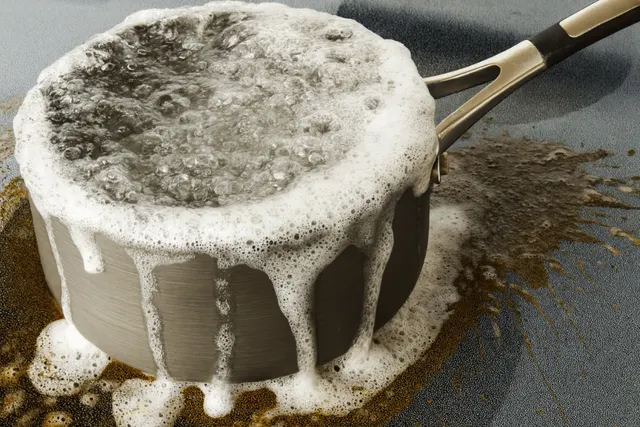
Excess water on or around the burner base can temporarily block ignition. While the igniter may spark normally, moisture disrupts gas flow and interferes with the spark's ability to ignite the flame.
Signs of moisture issues include:
- Ignition problems immediately after cleaning
- Burners that require extended clicking before lighting
- Temporary ignition failure after boil-overs
Allow the area to dry fully before testing again. If problems continue even after everything is dry, another component may be affected.
When to Call for Professional Service
A gas range that won’t ignite should be evaluated promptly, especially if multiple burners are affected or if the issue persists after cleaning, drying, and checking cap alignment. Ignition problems often worsen over time and may indicate deeper electrical or gas-related issues. Professional diagnosis ensures safe, accurate repairs and prevents avoidable wear.
If your stove is struggling to ignite or showing signs of irregular performance, scheduling expert service can restore reliable operation and protect your home. Our trusted Studio City appliance repair specialists are ready to inspect your range thoroughly and provide safe, dependable repairs.