
How to Fix Cloudy Dishes From Dishwasher: Causes & Solutions
In this article
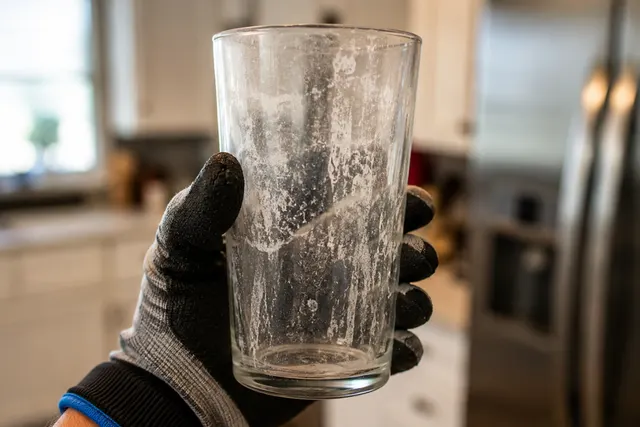
You run a full cycle, open the door, and instead of sparkling glasses you find a milky white film covering everything. If you're trying to figure out how to fix cloudy dishes from dishwasher cycles, the haze usually comes down to hard water mineral deposits, detergent residue, or a dishwasher that isn't cleaning or rinsing properly.
Sometimes the fix is as simple as adjusting your detergent or refilling the rinse aid. Other times, it points to a failing component such as the water inlet valve or circulation pump.
At Allsafe Appliance Repair, we help Los Angeles homeowners restore proper cleaning performance to their dishwashers. This guide walks through the most common causes of cloudy dishes, the fixes you can safely try at home, and the signs it's time to bring in a technician.
Cloudy Dishes From Dishwasher: Common Causes and Solutions
Cloudy residue can build up slowly or appear all at once. Whether your dishwasher is leaving spots on glassware or a white film on dishes across every rack, working through these causes in order, from the most common to the more mechanical, is the fastest way to find the culprit.
Hard Water Mineral Buildup
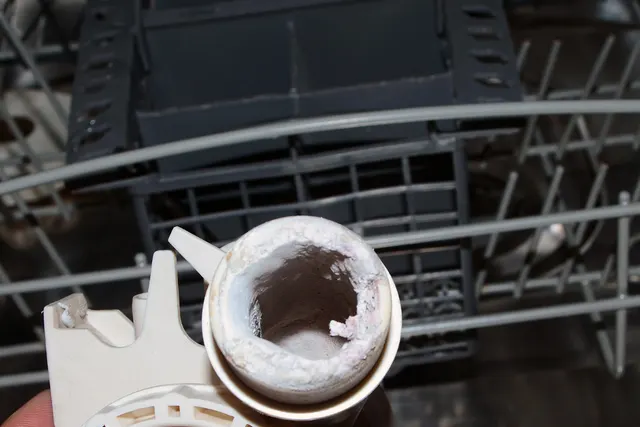
Hard water carries dissolved calcium and magnesium. As the water heats and evaporates during the cycle, those minerals are left behind as a chalky white film on glassware, dishes, and the interior of the machine itself.
Rinse aid helps water sheet off dishes before minerals can settle, so keeping the dispenser filled makes a noticeable difference in hard water areas. If buildup keeps returning, your water may require a stronger detergent or a water softening solution.
If the cloudiness doesn't come off with vinegar, the glass may actually be etched rather than coated with minerals. Etching is permanent damage caused by prolonged exposure to overly soft water, excessive detergent, or repeated washing at very high temperatures, and no amount of cleaning will restore an etched surface.
Routine dishwasher maintenance near Los Angeles can also catch mineral buildup inside the machine before it starts affecting cleaning performance.
Worn or Damaged Rinse Aid Dispenser
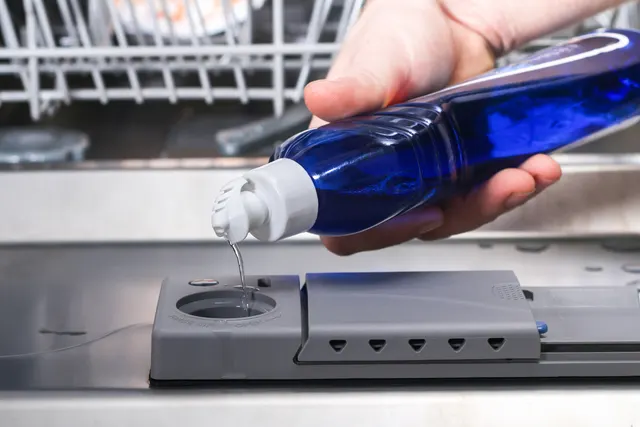
The rinse aid dispenser releases a small amount of rinsing agent during the final cycle, helping water slide off dishes so minerals and detergent don't dry onto the surface. When the dispenser cracks, sticks, or stops releasing properly, cloudy film and water spots usually follow.
If you keep the dispenser filled but still see spotting, or the rinse aid level never seems to drop, the dispenser may have failed. A technician can test the dispenser and replace it if needed.
Using Too Much or Too Little Dishwasher Detergent
Detergent balance matters more than most people realize. Too much detergent doesn't rinse away completely and leaves a soapy film behind, while too little allows food residue and minerals to redeposit on dishes during the wash.
Follow both your dishwasher manufacturer's recommendations and the detergent manufacturer's dosing guidelines for your local water hardness, and avoid stacking extra products unless your dishes are coming out visibly dirty. Cleaning the detergent dispenser and running an occasional empty cycle with a dishwasher cleaner also helps prevent residue from building up over time.
Dirty Spray Arms
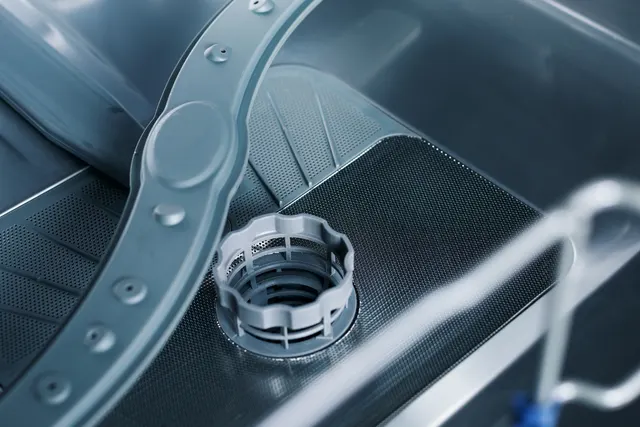
The spray arms push hot, soapy water across every rack. When the small openings become blocked by food particles or mineral deposits, water pressure drops and dishes come out with film and spots instead of a clean rinse.
You can safely inspect the spray arms yourself: remove the lower rack, spin each spray arm by hand, and look for clogged holes. Many spray arms can be wiped clean or rinsed under the faucet according to the owner's manual.
If the arms are damaged, won't spin freely, or the spray pattern still seems weak after cleaning, a professional can determine whether the problem is deeper in the water delivery system.
A Dirty Dishwasher Filter
The filter at the bottom of the tub traps food particles so they don't circulate back onto your dishes. When it's clogged, the dishwasher essentially washes your plates with dirty water, leaving behind a hazy film and gritty residue.
Most filters twist out for cleaning, and your owner's manual will show the exact steps for your model. A monthly rinse under warm water keeps filtration working the way it should.
Poor filtration can also cause lingering odors. If you've noticed a smell along with the film, here's what causes stinky dishes from dishwasher cycles and how to fix it.
Low Water Temperature
Dishwasher detergent is designed to activate in hot water, typically around 120 degrees Fahrenheit. When the water entering the machine is too cool, detergent may not dissolve completely, leaving residue on your dishes.
Signs of a temperature problem include detergent left in the dispenser after a cycle, greasy or filmy dishes, and dishes that feel barely warm at the end of a wash. Running the kitchen faucet until the water is hot before starting a cycle can help, especially if the dishwasher is connected to the kitchen hot water line, but if the problem continues, the dishwasher's heating element or thermostat may need professional diagnosis.
Failing Water Inlet Valve
The water inlet valve controls how much water enters the dishwasher during each fill. A valve that is clogged with sediment or failing electrically may let in too little water, which weakens the wash and leaves detergent and food residue behind.
Other signs include weak cleaning performance, unusually quiet fill cycles, humming during filling, incomplete fills, or longer than normal wash cycles. Because the valve connects directly to your home's water supply, replacement is a job for a professional.
Circulation Pump Problems
The circulation pump drives water through the spray arms with enough force to scrub every dish. When the pump motor weakens or the impeller wears out, spray pressure drops throughout the machine, and even a perfect detergent routine can't compensate.
Weak cleaning on every rack, food particles left on dishes, and a quieter than normal wash cycle all point toward circulation trouble. Pump problems sometimes show up alongside drainage issues, so if you've also noticed standing water in the tub, learn what to do when a dishwasher isn't draining.
When to Schedule Professional Dishwasher Repair
Most cloudy dish problems trace back to hard water, detergent balance, or a filter and spray arms that need cleaning. Those are all fixes you can handle at home, and a little regular maintenance goes a long way toward keeping the film from coming back.
If your dishes are still coming out cloudy after you've cleaned the filter, checked the spray arms, and dialed in your detergent and rinse aid, the problem is likely a failing component like the dispenser, inlet valve, or circulation pump. A trained technician can pinpoint the exact cause and restore your dishwasher's cleaning performance.
If cleaning performance keeps declining, don't wait for the machine to quit entirely. Schedule service with Allsafe Appliance Repair and let a professional get your dishes coming out clear again.