
Dishwasher Not Filling With Water? Common Causes & Fixes
In this article
You load the dishwasher, select a cycle, and wait for water to enter. Instead, the machine sits quietly, stops after a few moments, or leaves the dishes dirty. Did you miss a setting, or has something failed?
A dishwasher not filling with water can have a simple explanation, such as a closed supply valve or a door that hasn't latched. It can also point to a restricted water line, a faulty switch, or an internal component that needs professional attention.
This guide from Allsafe Appliance Repair explains seven common causes, the checks you can safely make without moving the appliance, and when to stop troubleshooting and schedule service.
Why Is My Dishwasher Not Filling With Water?
During a normal cycle, the controls signal the inlet valve to open and let in clean water. The wash pump circulates it through the spray arms, then the machine drains and refills at later wash or rinse stages. Some models begin with a brief drain or sensing period, so water may not enter immediately after you press Start.
Dishwashers don't fill the whole tub like a bathtub. The normal water level and timing depend on the model, so use your owner's manual rather than a generic fill line to judge what is normal. If water isn't reaching the expected level, dishes may come out dirty and detergent may remain undissolved, although those symptoms can have other causes too.
- Not filling at all: No fresh water enters when the cycle reaches its fill stage. A closed supply, a door-sensing problem, or an inlet valve that isn't opening could be responsible.
- Filling with too little water: Some water enters, but the fill is unusually slow or incomplete. A restriction, low supply pressure, or a water-level sensing problem may be involved.
- Starting but stopping before filling: The controls turn on or the initial drain runs, then the cycle pauses or ends. Check the selected settings and any displayed message before assuming the water valve has failed.
Before touching accessible internal parts: Stop the cycle and disconnect power at an accessible plug with dry hands, or switch off the dishwasher's circuit breaker. The control panel's Off button does not isolate power. Let hot parts and water cool, and follow the manual's homeowner-maintenance instructions. Do not remove service panels, pull the dishwasher out, disconnect plumbing, bypass switches, or test live electrical components.
Stop immediately for leaks or electrical warning signs. If you see leaking water, smell burning, notice sparks or damaged wiring, or experience repeated breaker trips, do not try another cycle. Disconnect power only if you can do so safely from a dry location. For a leak, close the dishwasher's supply valve only if it is safely accessible and turns normally. Stay away from water near electrical connections and arrange professional help.
1. Water Supply Valve Is Closed or Partially Closed
The dishwasher needs an uninterrupted household water supply. Its shutoff valve, often located under the kitchen sink, may have been left closed after plumbing work or only partly reopened. The controls can still light up and the drain pump may still run even though no fresh water can get in.
A closed valve can prevent filling; a partly open one can slow it down. Consider whether the problem began after a sink repair or new installation.
If you can identify and safely reach the dishwasher's shutoff, check that it is fully open according to its instructions. Valve types differ. Don't force a stuck, corroded, leaking, or damaged valve, or turn one you can't identify. Ask a plumber if you're unsure.
2. Kinked or Restricted Water Supply Line
A bent, pinched, or obstructed supply line can limit how much water reaches the dishwasher even with the shutoff open. This sometimes follows installation, plumbing work, or movement of the appliance. You may notice slower filling, less water than usual, and a decline in cleaning performance.
Inspect only the visible, accessible supply line under the sink. Look for sharp bends, crushing, wet connections, or stored items pressing against it. Move storage items away without disturbing the line; don't tug on it, force it straight, or loosen fittings.
A line can be restricted internally even if it looks fine outside. Leave hidden sections and internal blockages to a professional.
3. Dishwasher Door Isn't Latching Properly
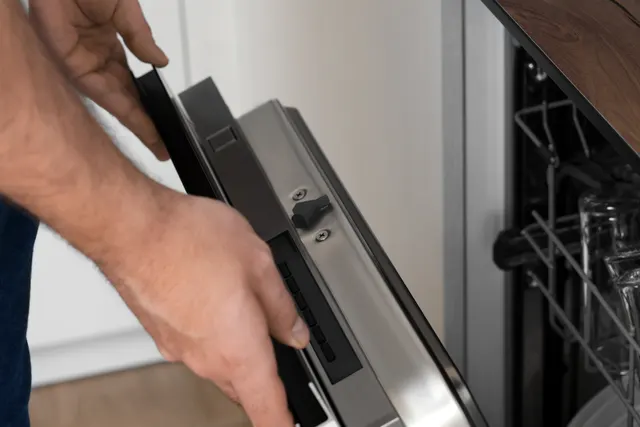
Most dishwashers will not begin filling unless the controls detect that the door is securely closed. A plate extending past the rack, a utensil caught at the edge, or a rack that isn't fully pushed in can keep the door from seating normally.
With the cycle stopped, clear loading obstructions and push the racks into place. Close the door as your manual directs. It should latch without extra pressure; don't slam it or hold it shut to keep a cycle running.
Arrange service if the door is misaligned, the latch looks damaged, or an open-door message persists. A switch can fail even when the latch works mechanically. Leave testing, adjustment, and replacement to a technician.
4. Float or Float Switch Problem
On models fitted with one, a float rises with the water level and works with a switch to help prevent overfilling. If it sticks in the raised position, the dishwasher may behave as though the tub already has enough water and stop admitting more.
Food debris, detergent residue, or mineral buildup can interfere with movement. A damaged float or faulty switch can cause similar symptoms. Some models use different water-level sensors that aren't accessible for homeowner inspection.
Check your owner's manual first. Only inspect or clean an accessible float if the manufacturer describes it as homeowner maintenance. Isolate power before touching it, then follow the manual's cleaning procedure without forcing, prying, or removing parts it does not authorize. If access requires tools or a service cover, stop and call a technician.
A float or switch problem can sometimes contribute to too much water instead. If your dishwasher is leaking, stop using it and follow the safe shutdown guidance above.
5. Clogged or Failing Water Inlet Valve
The inlet valve opens when the controls call for water and closes when the fill is complete. Sediment or mineral buildup can restrict flow through it, while mechanical wear or an electrical failure can keep it from opening correctly.
Possible signs include no water entering, a weak or incomplete fill, an unusually quiet fill stage, humming during filling, or inconsistent water levels from one cycle to the next. None of these signs proves that the valve itself is faulty. Supply restrictions and control problems can look much the same.
The valve connects to both the water supply and electrical system, so leave diagnosis and replacement to a qualified technician. Testing can establish whether the valve has failed or another part of the fill system is responsible.
6. Low Household Water Pressure
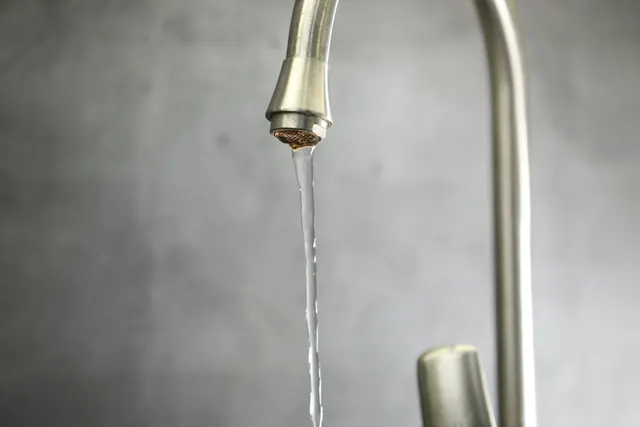
If the household supply pressure is insufficient, the dishwasher may take longer than normal to fill or receive some water without getting enough for the cycle. This can resemble a restricted line or a failing inlet valve.
Check whether flow has also weakened at the kitchen faucet and other fixtures. Note whether it happens all the time or mainly when other fixtures are in use.
Weak flow at one faucet isn't a pressure measurement; that faucet may have its own restriction. If multiple fixtures are affected, have a plumber check the home's water pressure.
7. Control Board, Timer, or Electrical Problem
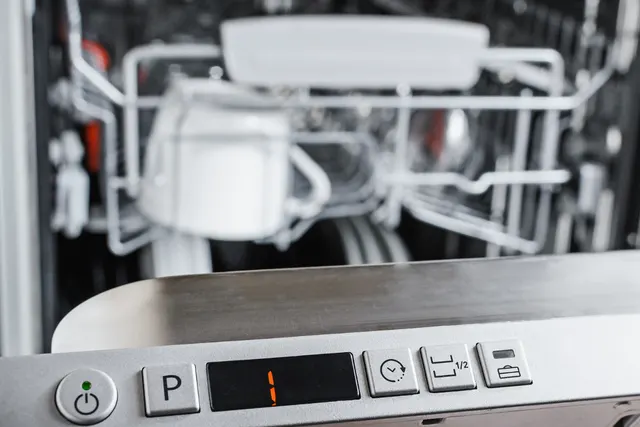
The inlet valve needs the correct signal from the dishwasher's controls to open. A control board, timer, wiring connection, sensor, or related electrical fault can interrupt that signal or stop the cycle before filling begins.
The dishwasher may power on without progressing, stop unexpectedly, display an error, or fill inconsistently. That doesn't automatically mean the control board needs replacing. A door-sensing fault or another protective response may be stopping the cycle.
Record the exact display message and model number, then consult that model's manual. Depending on the model and operating state, numbers can indicate a program, time, or status rather than a failure.
Use only the manufacturer's error-code and reset instructions, and never reset or test a machine with leaks or electrical warning signs. Leave internal wiring, electrical testing, and component diagnosis to a technician.
Dishwasher Not Filling vs. Not Draining
Filling and draining involve different parts of the water path. A fill problem means clean water isn't entering correctly. A drain problem means used water isn't leaving as expected after the wash or rinse stage.
Standing water at the bottom is not automatically evidence of overfilling or a failed inlet valve. Some models retain a small amount below the filter in normal operation. Dirty water spread across the tub floor after a completed cycle is a reason to investigate drainage instead.
If your dishwasher isn't draining, our separate guide explains the causes and safe checks. Trapped wastewater can also contribute to dirty dishes and lingering odors.
What to Do When Your Dishwasher Won't Fill With Water
Work through these checks in order, provided there are no leaks, electrical warning signs, or other unsafe conditions. Keep the appliance in place and stop before any check requires internal plumbing or electrical access.
- Confirm power and cycle selection. Look for the normal lights or display and follow the manual's start sequence. Check for a delayed start, control lock, or paused cycle. A lit panel doesn't rule out an internal fault.
- Check the door. With the cycle stopped, clear dishes or racks that interfere with closing and confirm that the door latches normally. Do not force it or bypass its switch.
- Check the accessible water shutoff. Verify that the correctly identified dishwasher supply valve is open, but leave a stiff, damaged, leaking, or uncertain valve to a plumber.
- Inspect the visible supply line. Look for obvious kinks or pressure from under-sink storage without moving the dishwasher, bending the line, or disconnecting fittings.
- Record any error and consult the manual. Note the exact display and when the cycle stops. Follow model-specific guidance, including any permitted float maintenance, with power isolated before touching accessible internal parts.
- Stop if normal filling does not return. If you corrected a simple setting or loading obstruction, try one monitored cycle only as the manual directs, with all parts properly in place, the area dry, and no leaks, damaged wiring, burning smells, breaker trips, or unusual noises. Stop if a warning sign appears. If the machine still doesn't fill, do not keep restarting it or access internal components; arrange service.
If your dishwasher smells bad too, note when the odor appears and whether dirty water remains after the cycle. The odor guide can help you distinguish trapped food or wastewater from the fill issue.
When you call, share whether the dishwasher takes in no water, underfills, or stops before filling. Your model number, any displayed message, and details of recent plumbing work can help the technician plan the diagnosis.
When to Schedule Dishwasher Repair
Basic supply and loading checks can identify an obvious obstruction or closed valve. If those checks don't explain the problem, several different components may be producing nearly identical symptoms.
- No water enters despite an open, accessible supply valve.
- The dishwasher repeatedly underfills or takes much longer than usual to fill.
- The inlet valve appears not to respond, hums without normal filling, or fills inconsistently.
- A float switch, door switch, sensor, or control may have failed.
- Errors return, cycles stop unexpectedly, or the problem keeps coming back.
- There are leaks, electrical symptoms, or unusual noises.
A technician can check the water supply, valves, switches, sensors, and controls to find the cause. An accurate diagnosis helps avoid buying expensive parts based only on symptoms.
For local help, Allsafe Appliance Repair offers Beverly Hills dishwasher repair. Describe the fill behavior and the safe checks you've already completed when requesting service.
Get Help With a Dishwasher That Won't Fill
A dishwasher not filling with water doesn't automatically mean a major failure. A supply valve or a door obstruction may be easy to identify, while inlet valves, switches, sensors, and controls require professional diagnosis. The important distinction is knowing where safe homeowner checks end.
If the basic checks don't restore normal filling, stop using the dishwasher and schedule service with Allsafe Appliance Repair. Get the cause identified before running another load or buying replacement parts on a guess.