
Dishwasher Leaking? 7 Causes, Warning Signs & Tips
In this article
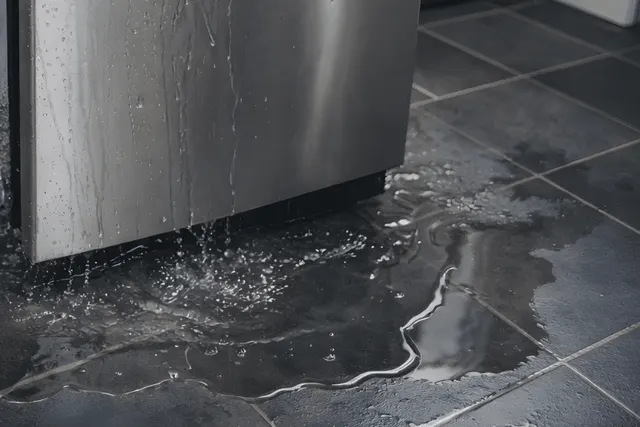
A dishwasher leaking onto your kitchen floor is more than an inconvenience. Water where it does not belong can damage cabinets, flooring, and nearby appliances if the issue is not addressed promptly. While some leaks may start small, they often point to underlying problems that can worsen over time. Understanding what causes leaks and what signs to watch for can help you take action before water damage becomes costly.
Dishwasher Leaking: Common Causes Homeowners Should Know
A dishwasher leaking problem can come from several different components, ranging from seals and doors to internal parts that regulate water flow. Below are the most common causes technicians encounter during service calls, starting with simpler issues and moving toward more complex ones.
Worn or Damaged Door Gasket
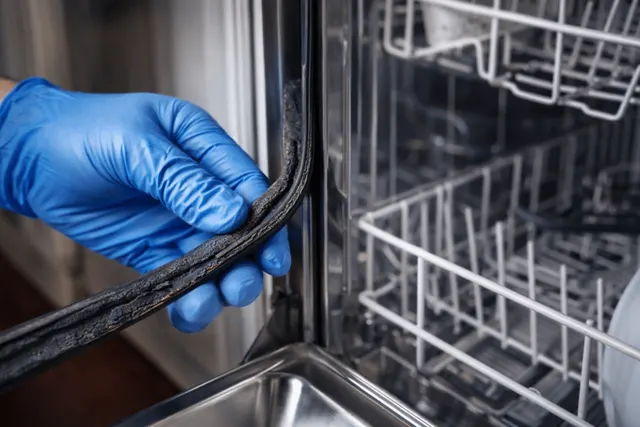
The door gasket is the rubber seal that lines the edge of the dishwasher door. Its job is to keep water inside the tub while the appliance is running. Over time, this gasket can wear out, crack, or lose flexibility. When the seal is compromised, water may escape near the front of the unit, especially during higher-spray portions of a cycle.
Common signs to look for:
- Water pooling near the front of the dishwasher
- Moisture along the bottom edge of the door
- Visible cracks, tearing, or flattening in the gasket
A visual inspection for debris or obvious damage is safe to perform. If wiping the seal and removing buildup does not improve a dishwasher leaking issue, replacement by a professional is often necessary to restore a reliable seal.
If you are also seeing excess moisture left on items after the cycle, it may be related to airflow or heat performance. Comparing symptoms with Dishwasher Isn't Drying Dishes can help you describe what you are noticing when you schedule service.
Misaligned or Damaged Dishwasher Door
If the dishwasher door does not close evenly, water can escape during a wash cycle. This may happen due to hinge wear, latch problems, or gradual shifting over the years of use. Even small alignment changes can prevent the door from pressing evenly against the gasket.
Clues that point to a door-related leak:
- Door appears uneven when closed
- Water shows up near the front corners
- Leaks happen mainly during active washing, not afterward
Because hinges and latches are structural and safety-related components, they should be evaluated and repaired by a trained technician rather than adjusted through trial and error.
Overfilled Dishwasher
Dishwashers are designed to fill with a precise amount of water. When too much water enters the tub, it can spill out from the bottom of the door or through overflow points. Overfilling often points to a failure in the water-level control system, which needs accurate diagnosis.
What homeowners often notice:
- Water appears early in the cycle
- Unusual sloshing sounds during washing
- Inconsistent cleaning results despite lots of water movement
If a dishwasher leaking concern seems tied to filling behavior, professional service helps prevent repeated overflow events and reduces the risk of ongoing water damage.
Cracked or Loose Spray Arm
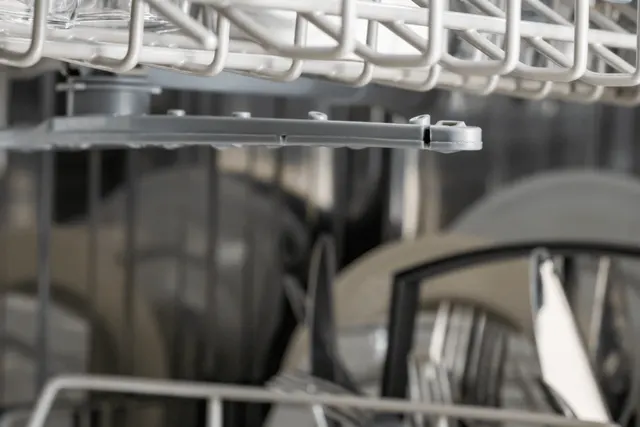
Spray arms distribute water throughout the dishwasher. When they are cracked, warped, or loose, water may be directed toward the door instead of the dishes. That redirected spray can overwhelm the door seal and contribute to leaks, especially on higher-pressure cycles.
Signs a spray arm may be involved:
- Leaks that appear only during certain cycles
- Poor cleaning performance in specific racks
- Unusual noises during spray periods
Because spray arms rotate and handle strong water pressure, even small defects can lead to recurring leakage. Replacement is typically a more straightforward repair for a professional and helps restore proper water direction.
Clogged or Restricted Drainage System
When water cannot drain efficiently, it may back up and leak out of the dishwasher. Drainage problems are commonly tied to food debris buildup, partial restrictions, or component failures that prevent the system from clearing water at the right time.
Common symptoms linked to drainage trouble:
- Standing water at the bottom of the tub
- Water showing up after the cycle ends
- Persistent odors that worsen over time
Drain-related issues can quickly escalate from slow draining to a dishwasher leaking onto the floor. If basic, surface-level cleaning does not improve results, a professional should check the drain path and related components. For more context on how drainage problems show up, see Dishwasher isn't Draining.
Faulty Water Inlet Valve
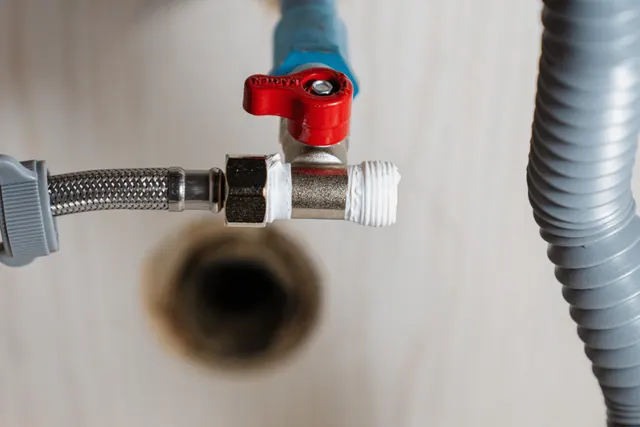
The water inlet valve controls how much water enters the dishwasher. If it sticks open or fails to close properly, excess water may enter the tub. In some cases, valve problems also contribute to inconsistent cycle behavior, which can be confusing because the leak may not happen every time.
Leak patterns that can point to a fill-control issue:
- Water appears during the fill portion of a cycle
- Water level seems inconsistent from one cycle to the next
- Leaks are more noticeable on longer wash programs
A failing inlet valve is a common professional repair. Addressing it promptly can prevent repeated dishwasher leaking episodes and reduce the risk of damage to surrounding flooring and cabinetry.
Damaged Dishwasher Tub
Though less common, cracks or corrosion in the dishwasher tub itself can allow water to escape. This is more likely in older units or those with heavy use. Because tub damage may be progressive, the leak can start small and become more obvious over time.
Warning signs that may indicate tub damage:
- Persistent leaking regardless of cycle type
- Visible rust, pitting, or cracks inside the tub
- Water collecting beneath the unit rather than just at the front
When the tub is compromised, a dishwasher leaking problem becomes more serious. A technician can confirm the source of the leak and help you weigh repair versus replacement based on condition and long-term reliability.
Ignoring leaks can lead to mold growth, warped cabinetry, and costly flooring repairs. If your dishwasher leaking problem continues, professional evaluation is the safest way to protect your home and restore dependable performance. If you are in the area and need local service, scheduling Dishwasher Repair in West Hollywood can help you get answers quickly and avoid repeat water damage.