
Washing Machine Won't Start? 7 Common Causes and Solutions
In this article
The laundry is loaded, the detergent is in, and the cycle is selected. You press Start, and nothing happens. No water, no drum movement, maybe not even a light. A washing machine that won't start is one of the more frustrating appliance problems because there's no obvious clue about what went wrong.
The good news is that a washer refusing to start doesn't always mean a major failure. Many no-start problems trace back to something simple: a tripped breaker, a door that isn't fully latched, a control lock, or a setting that's holding the cycle back.
At Allsafe Appliance Repair, we help Los Angeles homeowners get stubborn washers running again every week. This guide walks through the seven most common reasons a washing machine won't start, the checks you can safely make at home, and the signs that it's time to schedule repair.
Why Won't My Washing Machine Start?
For a cycle to begin, several things have to line up. The washer needs steady power, the lid or door has to be closed and locked, the controls have to receive and accept your command, and the internal components that run the cycle have to respond. A fault at any one of those points stops the whole process.
Before you troubleshoot, it helps to pin down exactly what your washer is doing, because each symptom points to a different set of causes:
- The washer has no power at all. No lights, no beeps, no display. This usually points to the outlet, breaker, cord, or an internal power problem.
- The washer turns on but won't start. The display lights up and buttons respond, but the cycle never begins. Door locks, control locks, settings, and the start control are the usual suspects.
- The washer starts but won't continue through the cycle. It fills or agitates and then stops before washing, draining, or spinning finishes. That's a different problem, and we cover it near the end of this guide.
Keep your symptom in mind as you work through the causes below, and you'll rule out the wrong ones quickly.
1. The Washing Machine Isn't Getting Power
If the washer is completely dark, start with the power supply. A loose plug or a tripped breaker is enough to leave it lifeless, and both are quick to check.
Safe power checks you can make:
- Check the plug. Make sure the cord is pushed firmly into the outlet. Vibration during spin cycles can work a plug loose over time.
- Check the circuit breaker. Look for a breaker that has tripped to the middle or off position. Switch it fully off, then back on.
- Check the GFCI outlet. If your washer is connected to a GFCI-protected outlet, look for a Reset button that has popped out and press it back in.
- Test the outlet. Plug in a lamp or phone charger. If that device doesn't work either, the problem is the outlet or circuit, not the washer.
If the breaker trips again right after you reset it, stop there. Repeated trips mean something is drawing too much current or shorting, either in the washer or the circuit, and that needs professional attention rather than another reset.
2. The Washer Door or Lid Isn't Latching
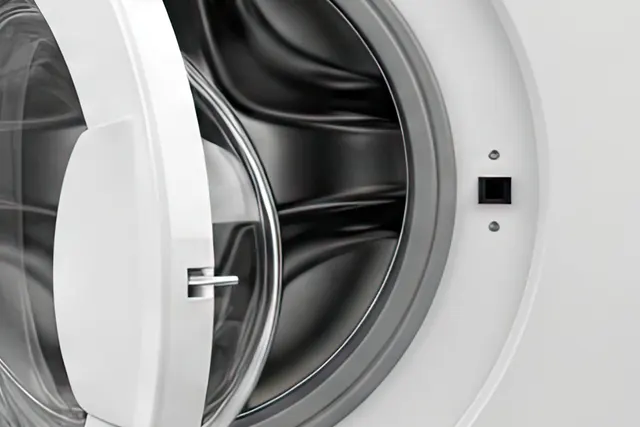
Modern washers generally include a safety system that keeps them from running with the door or lid open. Top-load machines use a lid switch; front-load machines use a door lock assembly that physically latches the door shut during the cycle. If the washer can't confirm the door is closed and locked, it won't start, even when it has power and the display looks normal.
Things to check on the door or lid:
- Look for trapped laundry. A sock or shirt sleeve caught between the door and the gasket can keep the latch from engaging.
- Close it firmly. Make sure the door or lid shuts completely. On front-loaders you should hear or feel a distinct click when it latches.
- Inspect the latch area. Check the strike plate on the door and the catch on the frame for cracks, bends, or debris.
Signs of a damaged latch, switch, or lock assembly:
- The door closes but never clicks or locks
- The washer flashes a door or lid error code
- The lock indicator light never comes on, or the door lock cycles repeatedly
- The lid switch feels loose or makes no click when pressed
A door lock that has failed electrically can look perfectly fine from the outside. If the door closes and the washer still refuses to begin, the lock assembly or lid switch is a likely cause and should be tested by a technician.
3. Control Lock Is Turned On
Most washers include a Control Lock, sometimes labeled Child Lock, that disables the buttons so a curious toddler can't change settings mid-cycle. When it's active, the washer may power on and display normally but ignore every press, including Start.
How to tell if Control Lock is on:
- A padlock or key symbol on the display
- An indicator light labeled Control Lock, Child Lock, or CL
- Buttons that beep or flash but don't change anything
Turning it off usually means pressing and holding a specific button for a few seconds, but the exact button and hold time vary by brand. Check your owner's manual for the model-specific steps. This is one of the most common reasons a perfectly healthy washer appears completely unresponsive.
4. The Start Button or Control Panel Isn't Responding
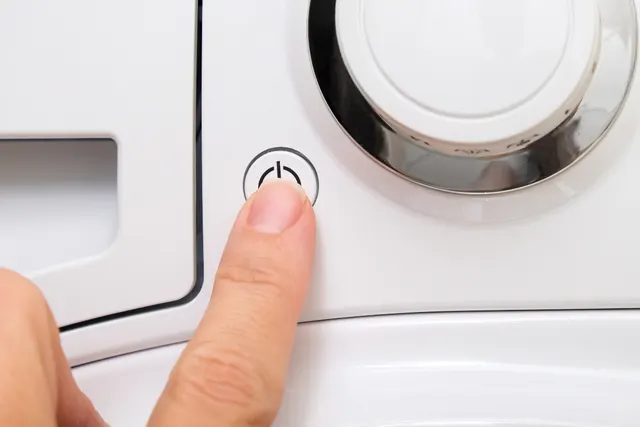
Sometimes the washer is ready to go and the Start command just isn't getting through. On some models, Start has to be pressed and held for a few seconds rather than tapped. A quick press does nothing, and it's easy to assume the machine is broken.
Quick checks for the control panel:
- Hold Start for a few seconds. Watch for the display to change or the door lock to engage.
- Try the other buttons. If the cycle knob and option buttons respond but Start doesn't, the start switch itself may be worn.
- Check for moisture or residue. Detergent or water on a touch panel can interfere with the sensors. Wipe the panel and let it dry fully.
If nothing on the panel responds and Control Lock is off, the touchpad, start switch, or user-interface board may have failed. These controls are wired into the washer's electronics, so leave the diagnosis and replacement to an appliance repair technician rather than opening up the console yourself.
5. A Washer Setting Is Preventing the Cycle From Starting
Washers with digital controls can be held back by a setting that's easy to overlook. The machine isn't malfunctioning; it's waiting for something.
Settings that commonly block a start:
- Delayed Start is active. If a delay timer was bumped, the washer will sit and count down before it begins. Look for a time or clock indicator on the display.
- The cycle isn't fully selected. Some models require you to choose a cycle and confirm options before Start becomes active.
- The washer is paused. A cycle that was paused earlier may need to be resumed or cancelled before a new one can begin.
- A previous error is still stored. A fault from the last load can stop a new cycle until it's cleared.
If the display looks stuck, try a model-approved reset. For many washers that means pressing Power or Cancel to clear the current cycle, and for some it means unplugging the machine for a minute. Follow the reset procedure in your owner's manual, since the steps differ by brand and some machines need a specific button sequence.
6. The Load Is Too Large or Unbalanced
An overloaded drum may interfere with startup on some washers, especially if clothing prevents the door from closing or locking properly. More often, though, an oversized or unbalanced load causes problems once the cycle begins.
What to do:
- Remove a few items if the drum is tightly packed, and follow your washer manufacturer's loading recommendations
- Spread the laundry evenly around the drum instead of piling it on one side
- Avoid washing a bulky item that exceeds your washer's recommended capacity, and use a bulky or bedding cycle when your model provides one
Overloading and uneven loads also cause trouble after the washer gets going, including loud banging, walking across the floor, and cycles that stall before the spin. If your washer starts but shakes or stops mid-cycle, our guide on how to fix an off balance washer covers the causes and fixes.
7. An Internal Washer Component Has Failed
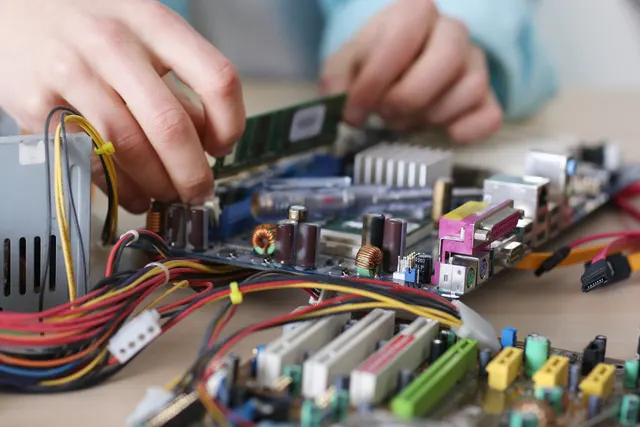
If the washer has power, the door locks, the controls are unlocked, and the settings are clear, but the cycle still won't begin, the cause is most likely a failed component inside the machine. These aren't problems you can spot from the outside, and they can produce identical symptoms. Some components mentioned earlier, like the door lock and start switch, can also fail internally even when they look and operate normally from the outside.
Components that commonly cause a no-start:
- Door or lid switch or lock assembly. Fails electrically even when it latches mechanically.
- Start switch. Wears out from years of presses and stops sending the command.
- Timer. On mechanical-control washers, a worn timer can prevent the cycle from advancing.
- Motor or motor control. A failed motor or drive board leaves the drum motionless even though the washer powers on.
- Main electronic control board. The board coordinates everything; a failure can look like a dead machine or one that ignores commands.
- Wiring or electrical failure. A loose connector, damaged harness, or failed noise filter can cut power to part or all of the washer.
Diagnosing these parts requires electrical testing and access to the washer's internal wiring. That work should be left to an appliance repair technician who can test each component safely, confirm which one has failed, and install the correct replacement instead of swapping parts on a guess.
What If the Washing Machine Starts but Won't Spin?
A washer that powers on, locks the door, and fills with water but then fails at the spin stage has a different problem than one that won't start at all. In that case, the power and start controls are doing their job, and the fault is further along in the cycle.
Spin failures typically trace back to a door or lid lock that drops out mid-cycle, an unbalanced or overloaded drum, a worn drive belt, coupler, or clutch, a failed drain pump that leaves water in the tub, or a control that isn't advancing the cycle.
If your washer is not spinning, use our separate washing machine not spinning troubleshooting guide to narrow down the problem.
When to Call for Washing Machine Repair
Checking the power, the door, the control lock, the settings, and the load size covers the causes that are safe and quick to rule out at home. If the washer starts working after one of those checks, you're done. If it doesn't, the remaining causes involve electrical and internal components that call for professional testing.
Schedule service if:
- The washer stays completely unresponsive even though the outlet has power
- The door or lid won't lock, or the lock error keeps returning
- The controls light up but the cycle never starts
- The circuit breaker trips repeatedly
- You notice a burning smell, sparking, damaged wiring, or any other electrical warning sign
- The washer displays persistent error codes
- The problem keeps coming back after basic troubleshooting
If you notice any electrical warning signs, unplug the washer or switch off its breaker if you can do so safely, and don't try to run it again until it has been inspected.
Schedule Professional Washer Repair in Hollywood, CA
When the simple checks don't get your washer running, Allsafe Appliance Repair is the next step. Our technicians diagnose no-start problems every day, from failed door locks and start switches to motor controls and main control boards, and they carry the tools to test each component instead of guessing.
Professional diagnosis allows a technician to test the washer's electrical, control, door-lock, motor, and other components to identify the source of the problem and recommend the appropriate repair.
Schedule professional Hollywood washer repair with Allsafe Appliance Repair, or reach out from anywhere in Los Angeles County and we'll get a technician to your door.