
Washing Machine Not Spinning? 9 Frustrating Causes Explained
In this article
A washing machine not spinning can leave clothes soaked, extend dry times, and make it feel like laundry day never ends. Even when the washer seems to run, a missing spin cycle usually signals that the machine has detected a safety issue, a drainage concern, or a worn component that can no longer do its job reliably.
The good news is that many of the clues are visible through symptoms like unusual sounds, water left in the drum, shaking, or cycle interruptions. The goal is not to guess at a fix, but to understand what the washer may be trying to tell you so you can schedule the right service and avoid added damage.
Common Reasons a Washing Machine Is Not Spinning
A washing machine not spinning can happen in both top-load and front-load models. Many washers will stop or limit the spin cycle when they detect an imbalance, a door safety fault, or a condition that could harm the motor or control system. Below are the most common reasons, starting with the simplest and moving toward issues that typically require professional diagnosis.
1. Unbalanced or Overloaded Load
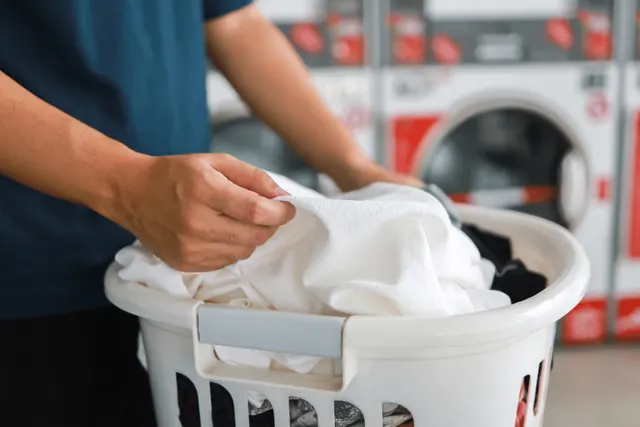
One of the most common reasons for a washing machine not spinning is an unbalanced load. When heavy items shift to one side, the washer may slow down, pause, or end the cycle early to prevent excessive shaking.
Common situations that trigger imbalance:
- Bulky items like towels or bedding clumping together
- Very small loads that tumble unevenly
- Overloading the drum so items cannot redistribute
If this happens only occasionally, balancing the load may get the cycle back on track. If it becomes frequent, worn suspension components may be allowing the drum to move too much, and a technician should evaluate the washer.
2. Drainage Issues That Block the Spin Cycle
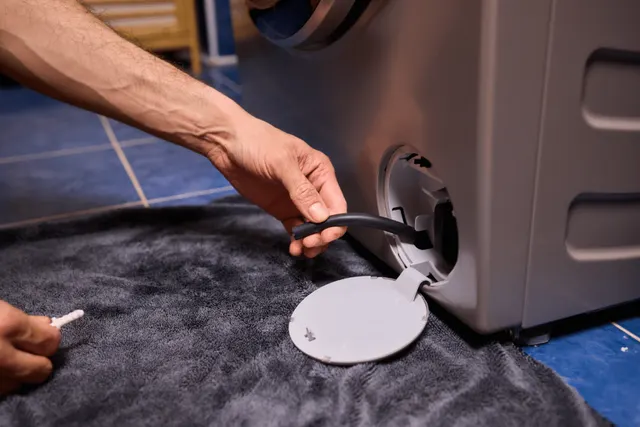
Many washers will not spin if they cannot drain water properly. A washer is designed to spin when the tub is mostly empty. If water remains, the machine may pause, stop, or refuse to spin to avoid overflow or instability.
Clues that drainage is the real issue:
- Water left in the drum at the end of the cycle
- Clothes that are heavy and dripping wet
- Long cycle times or repeated draining attempts
If you suspect drainage is involved, this article on Washer Isn't Draining explains why a drain problem often shows up as a spinning problem. If the washer still struggles after basic cleaning and visual checks, a technician can determine whether the pump, internal hoses, or control system is preventing proper draining.
3. Lid Switch or Door Lock Problems
Washers use safety switches so the drum cannot spin at high speed unless the lid or door is securely closed. If the washer cannot confirm the door is locked, it may wash and drain but never commit to a full spin.
Signs the safety system may be involved:
- The cycle stops right before spin, then ends
- The washer clicks repeatedly when trying to start spinning
- A door or lid error appears on the display
Because these parts are tied to electrical safety systems, a professional should handle testing and replacement to ensure the washer operates safely.
4. Worn or Slipping Drive Belt
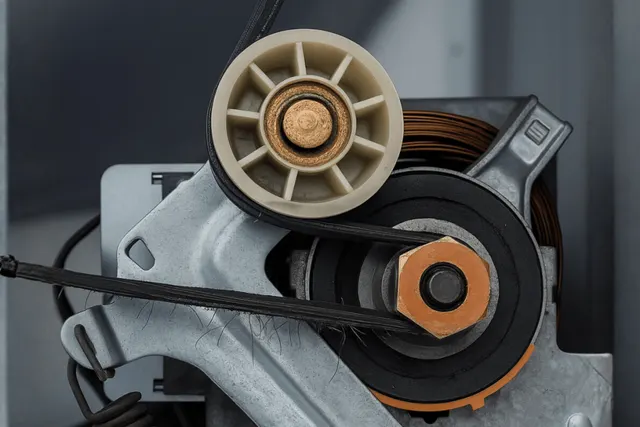
Many belt-driven washers use a drive belt to transfer power from the motor to the drum. With age and use, belts can stretch, crack, or slip, especially under heavy loads, which is a common reason for a washing machine not spinning properly or failing to spin at all.
What this can look and sound like:
- The washer agitates but fails during the spin portion
- You hear the motor running, but the drum barely moves
- Spin speeds seem lower, leaving clothes wetter than usual
Accessing the belt requires opening the cabinet, so this is best left to a professional to avoid damage and confirm whether the belt is the only worn component.
5. Motor or Motor Control Trouble
If the motor is weak, overheating, or not receiving the correct signals from the control system, the washer may stop spinning to protect internal parts. In some cases, the washer will attempt to spin, then shut down or display an error.
Symptoms that often point to motor or control concerns:
- Intermittent spinning that gets worse over time
- Odd humming sounds without strong drum movement
- Cycles that stop mid-way through or fail near the end
Motor and motor-control issues are electrical and mechanical. Professional diagnosis helps prevent unnecessary part replacement and reduces the risk of further damage from continued operation.
6. Control Board or Timer Malfunctions
Modern washers rely on electronic control boards to sequence the wash, drain, and spin stages. If the board fails to send the correct command, the washer may skip spin, end early, or behave inconsistently from one load to the next.
Common signs of control-related problems:
- Cycles that end early without spinning
- Random pauses that do not match normal operation
- Settings that do not respond the way they used to
Because control boards involve sensitive electronics, a trained technician should confirm the failure and ensure any related wiring or sensors are functioning properly when a washing machine is not spinning or behaving inconsistently.
7. Suspension, Shocks, or Dampers Wearing Out
Washers use suspension rods, shocks, or dampers to keep the drum stable during high-speed spins. When these components wear down, the washer may shake heavily and stop spinning to avoid damage.
Warning signs that stability parts may be failing:
- More vibration than normal, especially during spin
- Repeated imbalance errors even with normal loads
- Banging sounds as the drum shifts during acceleration
If you have a washing machine not spinning alongside excessive shaking, suspension wear is a strong possibility. Replacing stabilizing components can restore smooth operation and reduce stress on the motor and bearings.
8. Leaks or Moisture Affecting Washer Operation
Leaks can interfere with spinning in more than one way. Moisture may affect sensors, wiring connections, or internal components, and some washers will stop a cycle if they detect conditions that could lead to water damage.
Watch for these common leak-related clues:
- Puddles near the washer or damp flooring
- Musty odors around the laundry area
- Cycles that stop unexpectedly after filling or draining
If you suspect water is escaping, this guide on Washing Machine is Leaking can help you understand typical leak sources and why they matter. Leaks and spin issues often overlap, and professional service can prevent recurring damage to flooring and internal washer parts.
When to Schedule Service for a Washer That Won’t Spin
If a washing machine not spinning happens repeatedly, it is usually a sign that the washer is either protecting itself or struggling with a worn part. Occasional imbalance is normal, but ongoing spin failures can lead to heavier loads on the motor, added wear on bearings and suspension parts, and a higher risk of water-related damage if draining or leaking is involved. If you are in the area and want experienced help, Appliance Repair In Santa Monica can diagnose the problem, explain the findings clearly, and recommend the right repair path.