
Washing Machine Leaking? 7 Proven Causes Explained
In this article
Finding a washing machine leaking can be alarming, especially when you start to see water pooling beneath the appliance. While a small leak might seem harmless at first, it can quickly lead to floor damage, mildew, and costly repairs if ignored. Because a washing machine relies on multiple hoses, seals, and valves to manage water flow, even a minor issue can have several potential sources. Understanding why your washer is leaking helps you recognize whether it’s a maintenance problem or a sign that a professional technician is needed to prevent further damage.
Common Reasons for a Washing Machine Leaking
Leaks can occur at almost any point during the wash cycle, while filling, agitating, or draining. Knowing where and when the leak appears can make a big difference in narrowing down the cause. Let’s take a closer look at the most common reasons behind a washing machine leaking and how professionals diagnose and resolve them safely and effectively.
1. Loose or Damaged Water Inlet Hoses
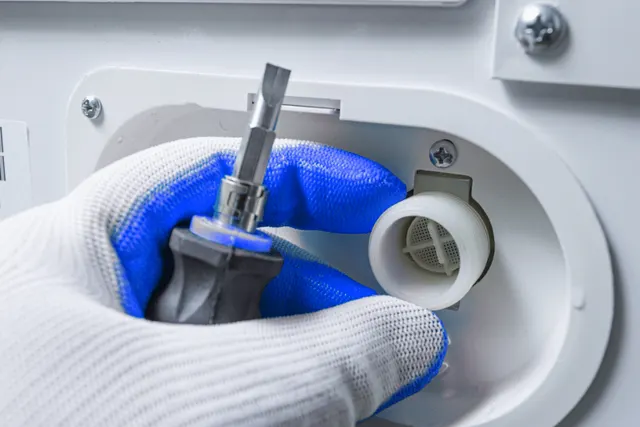
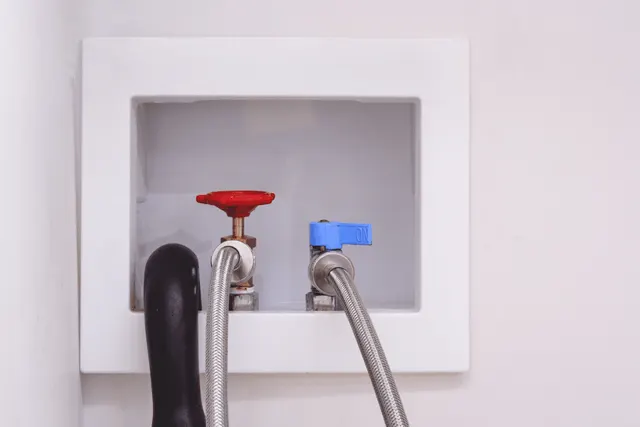
Water inlet hoses connect your washer to the household water supply. Over time, these hoses can loosen, crack, or develop corrosion around the fittings, leading to slow leaks or sudden bursts. Because they’re under constant pressure, even a small fault can cause significant water loss over time.
Checking your inlet hoses regularly can help prevent a washing machine leaking from behind the unit. Look for obvious signs of wear or rust and ensure the fittings are snug but not overtightened.
- Check for visible cracks or bulges along the hose.
- Ensure both ends are firmly connected to the washer and water valve.
- Replace hoses showing rust, mineral buildup, or stiffness.
If the leak persists even after tightening or replacing the hoses, a technician should inspect the valve connections and internal fittings to rule out deeper issues.
2. Faulty Drain Hose or Drain Pump
The drain system removes water from your washer after each cycle. If the drain hose becomes kinked, loose, or cracked, it can lead to a washing machine leaking during draining or spinning. Likewise, a damaged or clogged drain pump may allow water to escape underneath the machine, often making the washing machine leaking worse over time.
Because drainage issues can also cause standing water inside the washer, it’s helpful to pay attention to how your machine empties after each wash. If you notice that your washer isn’t draining completely, take a look at our guide on washer is not draining for additional insight into the causes of poor drainage.
- Puddles forming near the back of the washer often point to a drain hose leak.
- Worn or cracked drain pump housing can leak from underneath during spin cycles.
- Lingering moisture or odors may indicate a partial clog preventing full drainage.
While cleaning the exterior drain hose is safe, internal pump inspection should be handled by a technician to avoid electrical or mechanical damage.
3. Worn Door Boot Seal (Front-Load Washers)
Front-load washers rely on a rubber gasket, or door boot seal, to prevent water from escaping during operation. Over time, this seal can become dirty, torn, or misaligned, allowing water to leak from the front of the machine. Detergent buildup, small objects, or lint can also interfere with a tight seal.
Cleaning the gasket is one of the simplest maintenance steps you can take to prevent a washing machine leaking from the door area.
- Wipe the gasket weekly with a mild cleaner to remove residue and lint.
- Inspect for trapped coins, pins, or debris that might create gaps.
- Replace the gasket if you notice cracks, mold, or persistent leaking.
If washing machine leaking continues after cleaning, a professional should examine the seal alignment and door latch for wear or damage.
4. Detergent or Soap Overuse
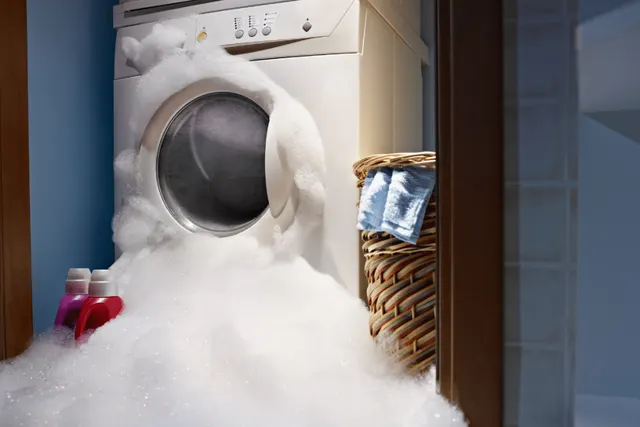
Using too much detergent can create excessive suds that overflow from the detergent drawer or door seal, often resulting in a washing machine leaking during the rinse cycle. This issue is particularly common with high-efficiency washers that require low-sudsing HE detergent. Over time, residue buildup from incorrect detergent use can lead to leaks, odors, and recurring washing machine leaking.
- Always use HE detergent if your washer is labeled for high efficiency.
- Measure detergent according to load size. More soap doesn’t mean cleaner clothes.
- Clean the detergent drawer periodically to remove sticky residue and buildup.
Excessive detergent can also cause unpleasant smells as residue collects around the drum and gasket. If you notice musty odors, check out our article on what to do when a Washer Smells for effective odor prevention tips and cleaning advice.
5. Damaged Tub Seal or Bearing
Leaks originating from beneath the washer, especially during spin cycles, often point to a worn tub seal or bearing. These components keep water inside the drum while allowing it to rotate smoothly. When they wear out, a leaking washing machine may drip from the bottom as water seeps through worn internal seals.
- Water pooling directly underneath after spinning usually indicates a failing tub seal.
- Rumbling or grinding noises may accompany the leak.
- Ignoring the issue can cause further damage to the motor and bearings.
Because tub seal replacement requires significant disassembly, this repair should only be performed by a certified appliance technician. Continuing to use a leaking washing machine in this condition can worsen the leak and increase repair costs.
6. Clogged or Broken Water Level Switch
The water level switch tells your washer when to stop filling. If it malfunctions, your washer may overfill and overflow, leading to a washing machine leaking from the top or sides. This can happen due to electrical failure, pressure hose blockage, or a damaged switch.
- The washer continues filling past its normal level.
- Water spills from the detergent drawer or lid area.
- Unusual humming or clicking during filling cycles.
Since this component involves electrical connections and pressure regulation, it’s safest to have a professional diagnose and replace it rather than attempting DIY repair.
7. Unbalanced Load or Leveling Issues
Sometimes a washing machine leaking isn’t caused by a faulty part at all. If your washer is not level or the load is unbalanced, water can slosh toward the door or overflow from the drum. Excess vibration can also loosen internal connections over time.
- Check that your washer sits level on all four feet.
- Distribute heavy items like towels or blankets evenly around the drum.
- Reduce load size if the washer shakes or moves excessively during spin.
Balancing the washer can help reduce leaks, noise, and wear on the suspension system. If the leaking washing machine problem continues, have a technician assess the machine’s leveling and shock absorbers.
8. Internal Hose or Valve Malfunction
Inside your washer, several small hoses and valves control water flow between the tub, pump, and detergent dispenser. Over time, vibration and mineral buildup can cause these parts to crack or loosen. Because these components are internal, leaks from them often appear unexpectedly or seem to come from multiple areas.
- Water may leak intermittently depending on the cycle stage.
- Moisture along the sides or base could indicate internal hose damage.
- Unusual dripping sounds inside the cabinet during operation.
Internal leaks require disassembly to access the hoses and valves. If a washing machine leaking stems from damaged internal parts, a professional technician can pinpoint the source quickly and ensure all fittings are resealed properly to prevent recurrence.
If your washing machine leaking continues despite basic maintenance, it’s best to schedule a visit from a qualified Santa Monica appliance repair technician. They have the tools and expertise to diagnose the source of the washing machine leaking accurately and restore your appliance to proper working condition without risk of further damage. Professional service ensures not only your washer’s longevity but also your peace of mind.