
GE Dryer Burning Smell? 7 Critical Problems Explained
In this article
A GE dryer burning smell is one of the most concerning odors a homeowner can experience, especially when it begins unexpectedly during a cycle. Since dryers rely on controlled heat to remove moisture, any smell resembling burning lint, rubber, plastic, or wiring indicates a problem that should be addressed promptly.
While some causes relate to airflow or routine maintenance, others involve mechanical strain or electrical components. Understanding the most common reasons behind a GE dryer burning smell helps you identify what’s safe to check on your own and what situations require immediate professional care.
Common Reasons for a GE Dryer Burning Smell
Burning odors can begin subtly or appear suddenly, depending on the underlying issue. Some causes result from gradual wear, while others stem from restricted airflow or foreign objects. Below are the most common sources of this issue and the symptoms that often accompany them.
1. Lint Buildup Around the Drum or Housing
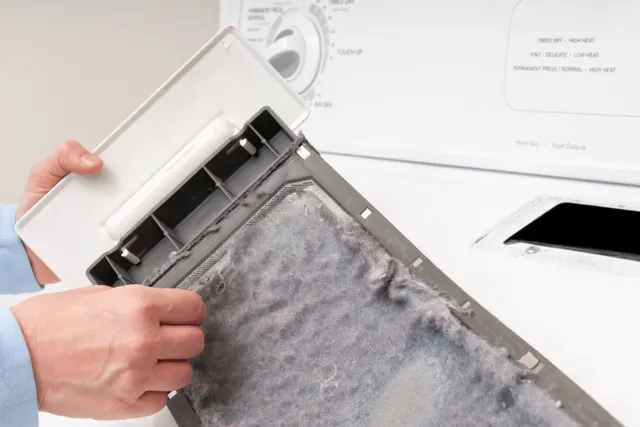
Lint is a natural byproduct of laundry, and even with regular filter cleaning, small particles can move past the trap and collect inside the dryer cabinet. Over time, this buildup can form around heating areas or the drum housing, where it becomes exposed to high temperatures. When lint begins to scorch, a GE dryer burning smell typically develops, often starting with a warm, dusty odor that gradually intensifies.
The earliest signs of internal lint buildup include:
- A mild burning scent that becomes stronger over time
- Visible lint around the filter slot or door opening
- Odors that appear even with light loads
While cleaning the lint filter before every load is essential, lint trapped deeper inside the machine is not accessible without removing the cabinet. Because internal cleaning involves electrical wiring, heat sources, and fragile components, a trained technician should perform this service to avoid damage or safety risks. Regular maintenance helps prevent overheating and extends the life of the dryer.
2. Blocked or Restricted Dryer Vent
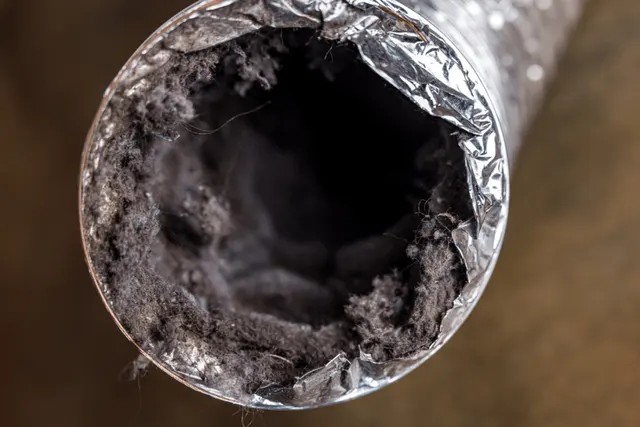
The vent system plays a crucial role in removing heat and moisture from the dryer. When the vent becomes blocked with lint, dust, or debris, airflow is restricted. This forces the dryer to run hotter than designed, often resulting in a GE dryer burning smell as trapped heat causes lint within the vent or housing to scorch. A blocked vent is not only a performance issue, but it can also reduce efficiency and increase the risk of overheating.
Common signs of vent restriction include:
- Clothes requiring multiple cycles to dry completely
- A dryer exterior that feels unusually hot
- Airflow that is weak or warm at the exterior vent outlet
If your dryer seems to struggle with airflow, extended drying times may be the first warning sign. Our blog on dryer takes a long time to dry, explaining how ventilation issues contribute to drying delays and overall appliance strain. While homeowners can safely clear lint from the exterior vent hood, internal vents leading to the dryer require professional tools and training to clean effectively and safely.
3. Worn Drum Rollers or Drive Belt
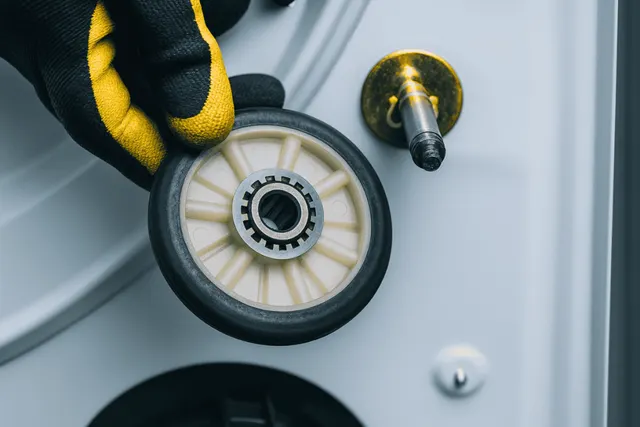
The drum rollers and drive belt work together to rotate the drum smoothly. When these parts begin to wear down, they create friction as they struggle to maintain proper movement. This friction can cause odors that resemble burning rubber or overheated metal. When wear becomes advanced, the drum may slow down, vibrate excessively, or create loud noises alongside the burning smell.
Common symptoms of roller or belt issues include:
- Persistent squealing, thumping, or grinding noises
- A hot, rubbery smell inside or behind the dryer
- Drum movement that is slow, uneven, or loud
These warning signs often appear together. If loud operational noises accompany the burning smell, you may find additional insight in our blog on dryer makes loud noises. Because these components sit deep within the dryer cabinet, repairs should always be performed by a professional to prevent injury or internal damage during disassembly.
4. Motor Overheating
The dryer motor powers the drum and assists with airflow. When it becomes strained (whether due to ageing components, restricted airflow, or internal resistance), it may begin to overheat. Motor overheating often produces a distinctive, sharp smell, sometimes described as metallic or electrical. This odor typically appears after the dryer has been running for a short period, especially when drying large or heavy loads.
Early signs of motor trouble include:
- A burning or hot electrical smell
- The dryer shuts off mid-cycle
- A noticeable humming sound before starting
Motor failure can worsen quickly and may affect other internal parts. Because motors involve electrical components and wiring, only a licensed technician should diagnose or replace them. Continuing to use the dryer when the motor smells hot may result in costly damage or a complete breakdown.
5. Faulty Heating Element
The heating element generates the heat used to dry laundry. Over time, this coil can warp, break, or shift out of alignment, causing it to contact other metal components inside the dryer. When this happens, the dryer may produce a strong burning smell that becomes more noticeable as the appliance reaches full heat. A malfunctioning heating element may also cause inconsistent temperatures or extended drying times.
Signs of a heating element issue include:
- Unusually hot air or drum surfaces
- Burning smells that start early during the cycle
- Dryer running hotter than normal
The heating element reaches extremely high temperatures, so accessing or adjusting it without proper training can be dangerous. Professional service ensures the element is replaced and seated correctly to avoid further problems.
6. Electrical Component Failure
Wires, fuses, and control components inside a dryer can degrade with age. When insulation becomes brittle or wiring loosens, electrical resistance increases and may create a burning plastic or chemical-like odor. This type of GE dryer burning smell should be taken seriously, as electrical issues can escalate quickly if ignored.
Potential warning signs include:
- Burn marks or discoloration around connections
- Unusual clicking, buzzing, or intermittent power
- A strong, sharp odor that worsens when the dryer heats up
If you suspect an electrical issue, stop using the dryer immediately. Electrical problems require professional diagnosis to ensure the appliance is safe to use before it is powered on again.
7. Foreign Objects Inside the Drum
Items left in pockets (such as rubber bands, plastic pieces, wrappers, or paper) can slip into the drum and heat up during operation. These items can melt, scorch, or burn, producing odors that mimic more serious mechanical problems. This is one of the simplest causes of a GE dryer burning smell, but it can still leave residue inside the drum or vent area.
Look for signs such as:
- A sudden burning smell appearing mid-load
- Melted or sticky residue inside the drum
- Odors that are isolated to a single laundry load
Visually inspecting the drum is safe, but if the smell continues even after removing foreign material, heat may have affected other internal components that need professional evaluation.
When to Call for Professional Service
A GE dryer burning smell should always be taken seriously. While some causes are related to airflow or simple maintenance, many others involve internal components that require expert diagnosis. For fast, reliable service, schedule our trusted appliance repair in West Hollywood to ensure your dryer is inspected safely and thoroughly. Addressing the issue early prevents further wear, protects your home, and keeps your dryer operating efficiently.